
When choosing treatment for varicose veins, an important question is: “Will I need another procedure later?”
Varicose vein treatments are intended to address veins that are already affected, but that does not necessarily mean no further treatment will ever be needed. The treated vein may remain closed or removed for many years, while changes can develop in other veins over time.
How likely you are to need another procedure can also depend on the treatment used, the veins involved and how the underlying venous disease progresses. Looking at long-term treatment results can therefore help put durability and the possibility of recurrence into perspective.
Key Takeaways
- Varicose vein treatment can provide long-term results, but the likelihood of needing further treatment differs between treatment methods.
- In a 14-year study, further treatment of the same vein was less common after laser treatment and surgical stripping than after ultrasound-guided foam injections.
- New varicose veins do not necessarily mean the original treatment has failed, as venous disease can affect other veins over time.
- Whether further treatment is needed depends on factors such as symptoms, the veins affected and ultrasound findings.
Why Do Some Varicose Vein Treatments Have More Durable Results?
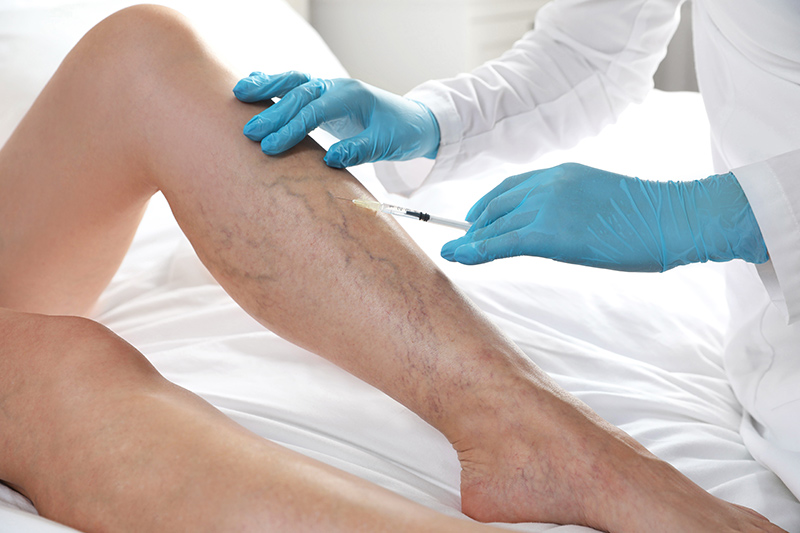
Varicose vein treatments do not all act on the affected vein in the same way. Some close the vein from within, while others physically remove it or cause it to close through an injected solution. These differences can affect the likelihood that the same vein will require further treatment later.
Long-term research provides some indication of how these approaches compare. A 2026 study followed patients from a randomised trial who had received treatment for an incompetent great saphenous vein, one of the main superficial veins in the leg.
At the 14-year follow-up, the proportion who had required further treatment of the same vein was:
- 8.2% after laser treatment
- 13.2% after surgical stripping
- 56.4% after ultrasound-guided foam injections
In this study, laser treatment and surgical stripping were therefore associated with lower rates of further treatment than foam injections over the follow-up period. However, this does not mean that one approach is appropriate for every patient. Treatment choice also depends on factors such as the veins affected, their anatomy and the pattern of abnormal blood flow.
The findings also highlight that durability is only one measure of treatment success. Despite the differences in retreatment rates, patients across all three groups reported similar quality of life at long-term follow-up.
The results should also be interpreted with some caution. Only 126 patients, about 59% of those included in the study, attended the 14-year review. The outcomes of those who did not return could have affected the comparison.
Does a New Varicose Vein Mean the Treatment Has Failed?
Not necessarily. A varicose vein that appears after treatment may be related to the original treated vein, but it can also develop because another vein has become affected over time.
Treatment addresses the vein or veins identified as problematic at that point. It does not necessarily prevent venous disease from developing or progressing elsewhere in the leg. As a result, varicose veins seen months or years later can arise for different reasons:
- Reopening of a treated vein: A vein that was previously closed may reopen, allowing abnormal blood flow to return.
- New reflux in another vein: Valves in other veins may become less effective over time, causing blood to pool and new varicose veins to form.
- Changes in connected veins: Smaller branches or other veins connected to the treated area may enlarge and become visible later.
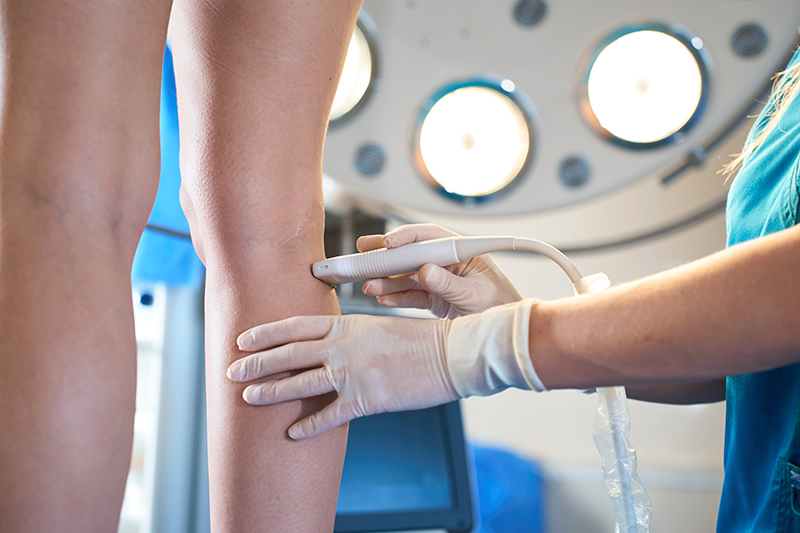
This distinction matters when considering how long treatment results last. The appearance of another varicose vein does not, by itself, show that the original procedure was unsuccessful. An ultrasound assessment can help determine where abnormal blood flow is occurring and whether it involves the previously treated vein or a different part of the venous system.
What Can Affect Whether You Need Treatment Again?
The likelihood of needing further treatment varies from person to person. It depends on how well the original treatment works, the extent of the underlying venous disease and how the condition changes over time.
| Factor | How It May Affect Further Treatment |
|---|---|
| Treatment performed | Different procedures have different long-term retreatment rates. The treatment used can therefore influence the likelihood of needing another procedure later. |
| Veins affected | Treating one problematic vein does not prevent abnormal blood flow from developing in another vein. |
| Extent of venous disease | More widespread problems with the vein valves may increase the possibility of other veins becoming affected over time. |
| Changes over time | Venous disease can progress. Veins that were functioning normally during the original treatment may become affected years later. |
| Symptoms and ultrasound findings | A visible varicose vein does not necessarily require another procedure. Symptoms and ultrasound findings can help determine whether further treatment is appropriate. |
Long-term results should therefore not be viewed as a fixed lifespan for a particular procedure. The original treatment may remain effective even if changes elsewhere in the venous system eventually require further assessment.
Plan Varicose Vein Treatment With the Longer Term in Mind
Long-term durability is one consideration when choosing varicose vein treatment, but retreatment rates do not tell the whole story. The appropriate approach also depends on which veins are affected, the pattern of abnormal blood flow and your symptoms. An ultrasound assessment can help identify these factors and guide the discussion around suitable treatment options.
The Vascular & General Surgery Centre provides assessment and treatment for varicose veins and other vascular conditions. Dr Sujit Singh Gill, consultant vascular & general surgeon, can assess the underlying venous problem and discuss treatment options based on your individual findings. Arrange a consultation with Dr Gill and discuss your varicose vein treatment options.
Related Links
- What Happens if Varicose Veins Are Left Untreated for Years?
- Who Is Most at Risk of Developing Varicose or Spider Veins?
- Different Types of Varicose Vein Treatments in Singapore
FAQs About Varicose Vein Treatment Results
Can varicose veins come back years after treatment?
Yes. Varicose veins can appear years after treatment, but this does not necessarily mean the original procedure has failed. The previously treated vein may reopen in some cases, or abnormal blood flow may develop in other veins as venous disease progresses over time. Fortunately, recurrence is uncommon.
How do I know if my varicose vein treatment is still working?
The absence of visible or troublesome veins can be reassuring, but appearance alone does not show how blood is flowing through the veins. If symptoms return or new varicose veins develop, an ultrasound scan can assess the treated area and identify whether abnormal blood flow is present.
Do new varicose veins always need to be treated?
No. The appearance of new varicose veins does not automatically mean another procedure is necessary. Whether treatment is appropriate depends on factors such as symptoms, the veins involved and ultrasound findings. An assessment can help determine whether monitoring or further treatment may be appropriate.