Varicose and spider veins are common vascular conditions that affect many adults, particularly as they age. While they can develop in anyone, certain individuals are more likely to experience these visible vein changes due to risk factors caused by their lifestyle, genetics and underlying circulatory system.
Understanding these causes can help you identify whether you are at risk of developing these conditions, allowing you to take early preventive measures and seek treatment before symptoms worsen.
What Causes Varicose and Spider Veins?
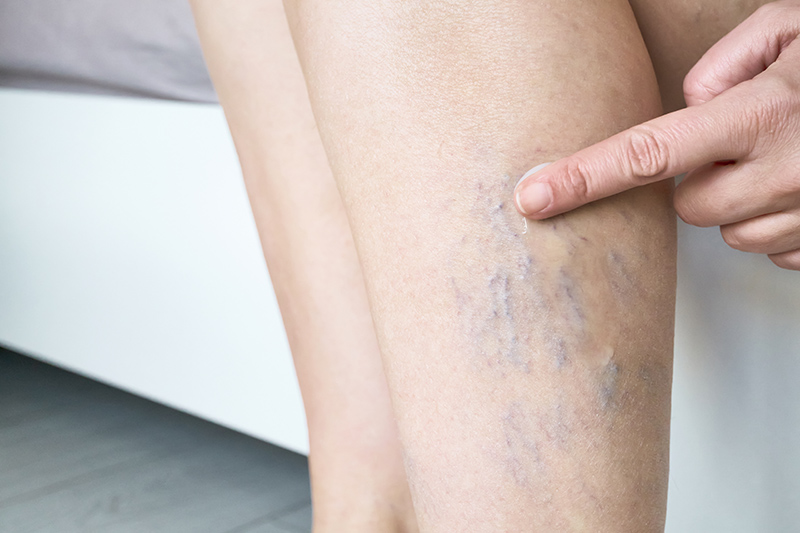
Varicose veins are enlarged, twisted veins that commonly appear on the legs. Spider veins are closely related, taking the form of red, blue or purple web-like patterns that appear closer to the skin's surface.
Although they are often considered cosmetic concerns, some individuals may experience discomfort, swelling, heaviness or aching in the legs, affecting their overall quality of life.
Both of these conditions occur due to weakened vein walls or faulty valves that disrupt normal blood flow. This causes blood to flow backwards and pool in the veins, causing them to enlarge, stretch and become more visible.
Who Is More Susceptible to Varicose and Spider Veins?
In many cases, varicose and spider veins develop gradually as vein function deteriorates over time. There are certain groups of people who regularly experience physical and lifestyle-related factors that make them more likely to suffer from these conditions.
Individuals Who Spend Long Hours Standing or Sitting
Occupations or routines that involve sedentary lifestyles can contribute to poor blood circulation in the legs. When leg muscles remain inactive for extended periods, it becomes more difficult for blood to move upward against gravity. This can cause pooling and increased pressure within the veins.
Occupations with a higher risk include:
- Teachers
- Nurses
- Retail workers
- Office workers
- Drivers
Women Undergoing Hormonal Changes
Women are generally more prone to developing varicose and spider veins than men, as there are more hormonal risk factors that commonly affect them. These factors include pregnancy, menopause, use of birth control pills and natural hormone fluctuation. These fluctuations may weaken vein walls and affect blood circulation, increasing the risk of vein enlargement.
Pregnancy is considered a major risk factor of varicose veins as well. During pregnancy, increased blood volume and pressure from the growing uterus causes additional strain on the veins in the legs. This is why many women first notice varicose or spider veins during or after pregnancy.
Older Adults
Age is another major risk factor. As people grow older, vein walls and valves naturally lose elasticity and strength. This can reduce the veins' ability to efficiently return blood to the heart, increasing the likelihood of blood pooling.
Older adults may also experience reduced physical activity and circulation changes, which could further contribute to varicose vein development.
Individuals Who Are Overweight or Obese
Excess body weight places additional pressure on the veins, particularly those in the lower limbs. Increased abdominal pressure may also interfere with healthy blood flow back to the heart. As such, people who are overweight may have a higher chance of developing varicose or spider veins, along with other conditions such as leg swelling or chronic venous insufficiency.
People With a Family History of Vein Conditions
Genetics may play a significant role in the development of varicose and spider veins. Individuals with parents or close relatives who have vein problems are more likely to develop them themselves.
This inherited vein wall weakness or valve dysfunction can increase the likelihood of poor circulation over time. If multiple family members have experienced varicose veins, your risk may be significantly higher, especially when combined with other contributing factors.
Individuals with a personal history of vascular conditions should monitor themselves for symptoms such as swelling, pain or visible vein changes, and see a vascular specialist if needed.
Protecting Your Vein Health and Reducing Risk Exposure
While some risk factors such as age and genetics cannot be controlled, certain lifestyle habits may help reduce pressure on the veins and support healthier blood circulation. Early preventive measures may also help slow the progression of varicose and spider veins before symptoms become more severe.
Some practical ways to support vein health include:
- Staying physically active to improve circulation in the legs
- Avoiding prolonged sitting or standing whenever possible
- Taking regular walking or stretching breaks during work
- Elevating the legs to reduce venous pressure
- Maintaining a healthy body weight
- Wearing compression stockings if recommended by a doctor
- Avoiding tight clothing that restricts blood flow around the waist or legs
When Should You See a Specialist for Varicose or Spider Veins?
While some spider veins are primarily cosmetic, varicose veins may sometimes indicate underlying vein disease or poor blood circulation in the legs. Seeking medical evaluation early may help identify whether the condition is progressing and prevent potential complications such as chronic swelling, skin damage or venous ulcers.
You should consider seeing a vascular specialist if you experience:
- Persistent aching or heaviness in the legs
- Swelling in the legs or ankles
- Enlarged veins that worsen over time
- Skin discolouration or slow-healing wounds near the ankles
A vascular specialist can carry out a detailed assessment of your veins. This evaluation typically involves a physical examination and ultrasound imaging to assess blood flow and vein function, helping to identify conditions such as underlying venous insufficiency, where blood is no longer flowing efficiently through the veins.
Treatment Options for Varicose Veins
Varicose vein treatment is performed using minimally invasive procedures that close off damaged veins and redirect blood flow to healthier veins. Treatments such as radiofrequency ablation (RFA), endovenous laser treatment (EVLT) and VenaSeal are often used to target larger affected veins with minimal downtime.
Treatment Options for Spider Veins
Spider vein treatment is commonly carried out using procedures that target small superficial blood vessels close to the skin's surface. Sclerotherapy involves injecting a solution into the affected veins to cause them to collapse and gradually fade, while laser therapy uses focused light energy to reduce the appearance of visible veins.
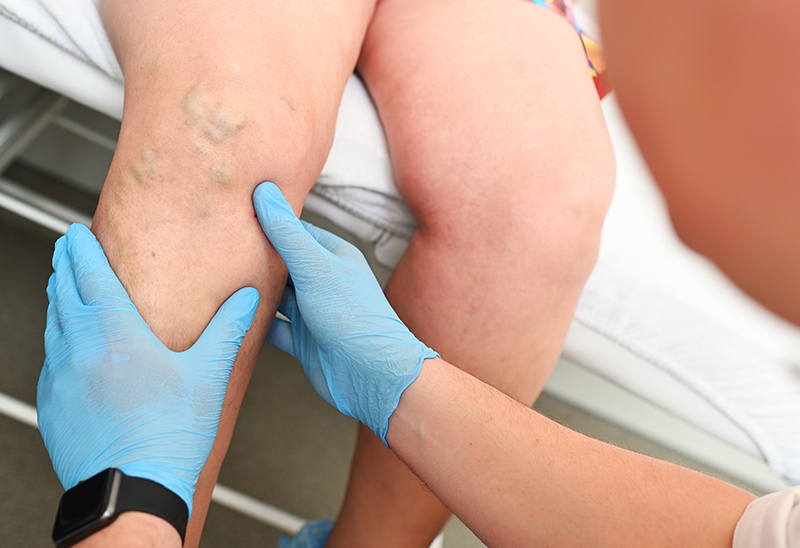
Seeking Early Assessment for Vascular Concerns
If you are noticing visible veins, leg discomfort or swelling, early evaluation may help identify the underlying cause and prevent symptoms from worsening. A vascular specialist can assess your circulation and recommend suitable treatment options based on your condition.
The Vascular & General Surgery Centre is a specialist vein clinic in Singapore that provides comprehensive evaluation and minimally invasive treatment for varicose and spider veins. Led by Consultant Vascular & General Surgeon Dr Sujit Singh Gill, we offer personalised care tailored to each patient's vein condition and circulatory health.
Contact us today to arrange a consultation and discuss the most suitable treatment options for your needs.