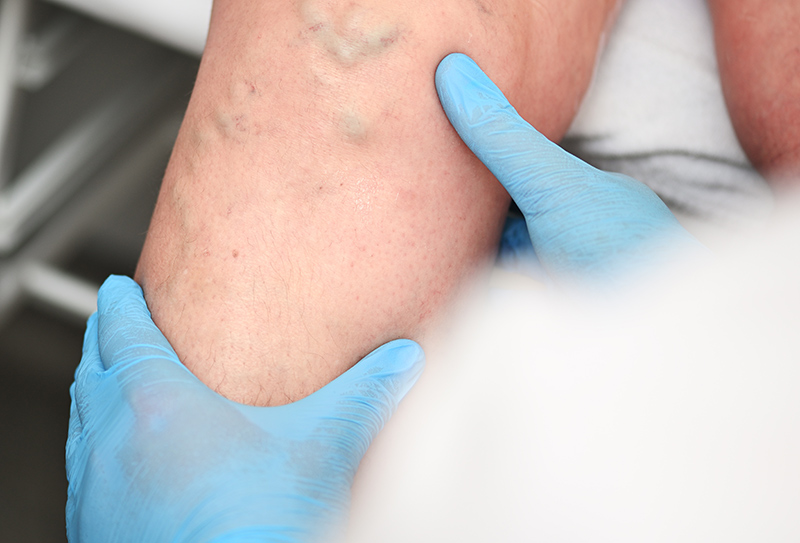

Untreated varicose veins can gradually worsen over the years. While some people will only experience enlarged veins or mild discomfort at first, persistent problems with blood flow can lead to increasing pain, swelling and other circulation-related complications.
As vein functions continue to weaken, symptoms may become persistent and may affect overall comfort, mobility and skin health in the legs.
Understanding how varicose veins develop and progress over time can help patients recognise when symptoms may require medical evaluation or treatment.
What Causes Varicose Veins?
Varicose veins develop when the valves inside the veins become weakened or damaged. These valves normally help blood flow upward through the legs and back toward the heart. When they do not function properly, blood may begin collecting inside the veins instead of circulating efficiently.
Over time, this buildup of pressure can cause the veins to enlarge, twist and become visibly swollen beneath the skin. Varicose veins most commonly affect the legs because the veins in the lower limbs must work against gravity to return blood upward through the body.
Several factors may increase the likelihood of developing varicose veins, including ageing, prolonged standing, pregnancy, excess body weight and family history. Although some cases remain mild, the underlying circulation problem may gradually worsen if the affected veins continue functioning poorly over time.
How Do Varicose Veins Worsen Over Time?
In the early stages, patients may notice mild aching, heaviness or fatigue in the legs, particularly after prolonged standing or walking. Symptoms may initially come and go, which can make the condition seem minor or cosmetic.
However, as pressure continues building inside the affected veins, symptoms may become more persistent. Some patients begin experiencing increasing leg swelling, throbbing discomfort, nighttime cramping or skin irritation around the affected areas. The veins themselves may also become larger, darker or more prominent over time.
In some cases, long-term circulation problems caused by untreated varicose veins may eventually affect the surrounding skin and tissues in the lower legs. This can increase the risk of complications such as skin discolouration, chronic inflammation or slow-healing wounds developing later on.
When Does Varicose Vein Treatment Become Necessary?
Varicose vein treatment may become necessary when symptoms begin affecting comfort, mobility or overall quality of life. While some varicose veins remain mild for years, others may gradually worsen as blood continues pooling inside weakened veins.
Medical evaluation may be recommended when varicose veins:
- Cause persistent aching, heaviness or throbbing in the legs
- Lead to swelling that worsens throughout the day
- Become increasingly painful or uncomfortable over time
- Cause skin irritation, discoloration or hardening around the veins
- Begin affecting walking, standing or daily activities
- Develop alongside slow-healing wounds or ulcers
Treatment may also be considered when conservative measures such as compression stockings, exercise or leg elevation no longer provide sufficient symptom relief.
How Can a Vascular Specialist Treat Varicose Veins?
A vascular specialist can carry out a diagnosis of varicose veins through clinical reviews and imaging assessments, as well as perform minimally invasive vein treatments to improve circulation and relieve symptoms.
The evaluation process typically begins with a discussion of the patient's symptoms, medical history and how the condition may be affecting daily activities. A physical examination is then performed to assess visible veins, swelling, skin changes and circulation in the legs. If needed, an ultrasound imaging can be performed. These findings help determine the severity of the condition and whether treatment may be beneficial.
Depending on the results of the assessment, a vascular specialist may recommend varicose vein treatments such as:
- Endovenous Laser Treatment (EVLT)
- Radiofrequency Ablation (RFA)
- Sclerotherapy
What Is Endovenous Laser Treatment (EVLT)?
Endovenous Laser Treatment (EVLT) is a minimally invasive procedure that uses laser energy to close off damaged veins contributing to varicose vein symptoms. A thin laser fibre is inserted into the affected vein, where controlled heat is applied to seal the vein shut. Blood is then naturally redirected to healthier veins nearby.
EVLT is commonly performed under local anaesthesia and typically involves less discomfort and recovery time compared to traditional open vein surgery.
What Is Radiofrequency Ablation (RFA) for Varicose Veins?
Radiofrequency Ablation (RFA) is another minimally invasive treatment used to treat varicose veins. Instead of laser energy, the procedure uses radiofrequency heat delivered through a catheter to close the affected vein.
By sealing the damaged vein, blood flow can be redirected toward healthier veins with better circulation. RFA is often recommended for patients experiencing persistent symptoms related to vein dysfunction in the legs.
How Does Sclerotherapy Treat Varicose Veins?
Sclerotherapy involves injecting a specialised solution into smaller varicose veins. The solution causes the treated vein to collapse and gradually fade over time as the body absorbs it naturally.
This treatment is commonly used for smaller visible veins and may be recommended alongside other vein procedures depending on the patient's condition and circulation findings.
The Importance of Early Assessment for Varicose Veins
While some patients initially experience only mild discomfort or visible veins, symptoms such as swelling, heaviness, aching and skin irritation may gradually become more persistent over time. This can eventually progress to more significant complications such as skin discolouration, chronic inflammation, slow-healing wounds or venous ulcers affecting the lower legs.
Early medical assessment can help identify circulation problems before more significant complications develop.
At the Vascular & General Surgery Centre, our specialist vein clinic in Singapore, patients can undergo assessment for a wide range of vein and circulation-related conditions affecting the legs. Under the care of Consultant Vascular & General Surgeon Dr Sujit Singh Gill, treatment plans are tailored according to each patient's symptoms, vein condition and overall vascular health. Dr Singh offers minimally invasive varicose vein procedures aimed at improving blood flow, relieving discomfort and managing long-term vein complications.
If you are experiencing worsening varicose veins, persistent swelling or ongoing leg discomfort, seeking professional assessment may help identify the cause early. Contact us today to find out how we can help.
Frequently Asked Questions (FAQs) About Varicose Veins
Can varicose veins return after treatment?
Varicose vein treatments are designed to treat the affected veins causing symptoms and circulation problems. However, new varicose veins may still develop over time, particularly in patients with ongoing risk factors such as prolonged standing, ageing, pregnancy or family history. Regular follow-up and early management of new symptoms may help reduce the progression of future vein problems.
Can standing for long periods make varicose veins worse?
Prolonged standing may increase pressure inside the leg veins because blood must work harder against gravity to return toward the heart. Over time, this added pressure can place strain on weakened vein valves and contribute to worsening swelling, discomfort or enlargement of varicose veins. Patients whose work requires long periods of standing may sometimes notice symptoms becoming more severe throughout the day.
How are varicose veins different from spider veins?
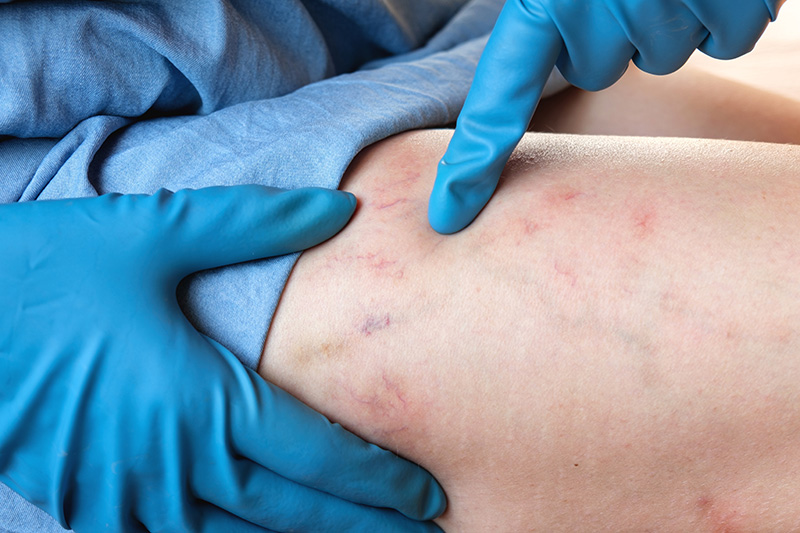
Varicose veins are enlarged, swollen veins that typically develop beneath the skin and may cause symptoms such as aching, heaviness or swelling in the legs. Spider veins are smaller superficial veins that often appear as thin red, blue or purple lines closer to the skin surface. Although spider veins are usually less severe, both conditions may be related to underlying vein circulation problems in some patients.
Are varicose veins only a cosmetic concern?
While some varicose veins mainly cause cosmetic concerns, others may be associated with underlying vein dysfunction and circulation problems. Over time, some patients may experience symptoms such as aching, swelling, heaviness, nighttime cramps or skin irritation in the legs. In more advanced cases, untreated vein problems may contribute to chronic skin changes or slow-healing wounds.