
Are varicose veins merely a cosmetic nuisance, or could they be warning signs of a deeper circulation problem?
While many people seek treatment because of the appearance of bulging, twisted veins, varicose veins often reflect underlying vein disease that affects blood flow in the legs. Beyond their appearance, they can cause symptoms such as aching, swelling, heaviness, and fatigue, and may worsen over time if left untreated.
Early diagnosis and treatment not only improve appearance but can also relieve symptoms, prevent complications, and protect long-term vein health. With modern minimally invasive treatment options now available, managing varicose veins has become more convenient and effective than ever.
What Are Varicose Veins?
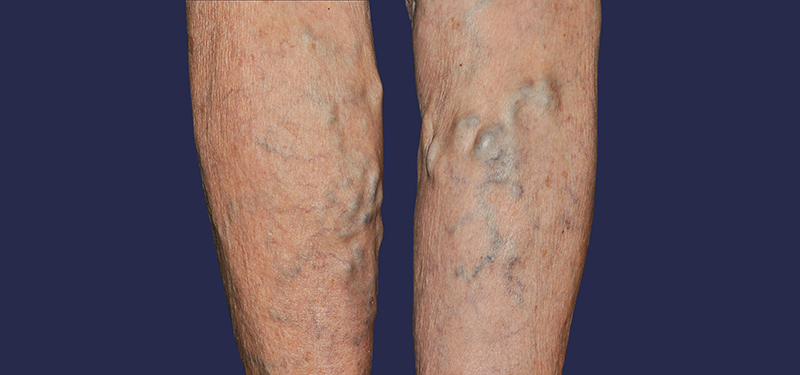
Varicose veins are enlarged, twisted veins that commonly develop in the legs when weakened vein valves allow blood to pool instead of flowing efficiently back to the heart. While often viewed as a cosmetic concern, they may indicate an underlying circulation problem. Ageing, genetics, and prolonged periods of standing or sitting can contribute to their development by increasing pressure within the veins over time.
Possible Health Complications of Varicose Veins
While varicose veins may seem harmless at first, untreated cases can lead to complications that affect both comfort and overall vascular health.
Venous Ulcers
Prolonged pressure within damaged veins can reduce blood flow to the skin, leading to the development of venous ulcers. These open sores typically form around the ankles and can be slow to heal, often requiring medical attention.
Bleeding from Ruptured Veins
As varicose veins enlarge and become more fragile, they may rupture following minor trauma or injury. Although bleeding can often be controlled with direct pressure, severe cases may require medical intervention to prevent excessive blood loss.
Blood Clots and Vein Inflammation
Varicose veins can increase the risk of superficial thrombophlebitis, a condition in which blood clots form in veins close to the skin's surface. This can cause pain, redness, swelling, and inflammation in the affected area.
Deep Vein Thrombosis (DVT)
In rare cases, blood clots associated with vein disease may extend into deeper veins, resulting in deep vein thrombosis (DVT). If a clot breaks loose and travels to the lungs, it can cause a pulmonary embolism, a serious medical emergency that requires immediate treatment.
When Should I Seek Medical Treatment for Varicose Veins?
Not all varicose veins require immediate treatment, but they should be evaluated if they affect your comfort, confidence, or quality of life. A consultation with a vein specialist can help determine the severity of the condition and the most appropriate course of action.
Symptoms Start Affecting Daily Activities
If leg discomfort, heaviness, or fatigue makes it difficult to exercise, work, or remain active, medical treatment may be beneficial. Addressing varicose veins early can help improve mobility and overall well-being.
Conservative Measures No Longer Help
Lifestyle changes such as exercise, leg elevation, and compression stockings may provide temporary relief. If symptoms persist despite these measures, a healthcare provider can recommend more effective treatment options.
What Are the Treatment Options for Varicose Veins?
Minimally invasive treatments are designed to effectively address varicose veins while minimising discomfort and recovery time. These modern procedures target the underlying cause of vein disease, helping to improve circulation, relieve symptoms, and restore confidence in your legs.
Laser and Radiofrequency Ablation (RFA) Therapies
Laser and RFA therapies use controlled heat energy to close damaged veins and redirect blood flow to healthier veins, relieving symptoms such as heaviness, swelling, and discomfort. Performed through small incisions on an outpatient basis, these minimally invasive treatments offer faster recovery and less downtime than traditional vein stripping surgery.
Endovenous Laser Therapy
Endovenous laser therapy (EVLT) is a minimally invasive treatment that uses laser energy to seal varicose veins. Guided by ultrasound, a thin laser fibre is inserted into the affected vein, causing it to close and gradually fade. Compared to traditional vein stripping, EVLT offers a faster recovery and lower risk of complications.
Clarivein
Clarivein is a minimally invasive treatment that closes varicose veins using a small rotating catheter and a specially formulated medication. Most patients experience minimal discomfort during the procedure. Side effects are usually mild, with temporary bruising being the most common. Some patients may also notice small areas of numbness, which typically resolve over time.
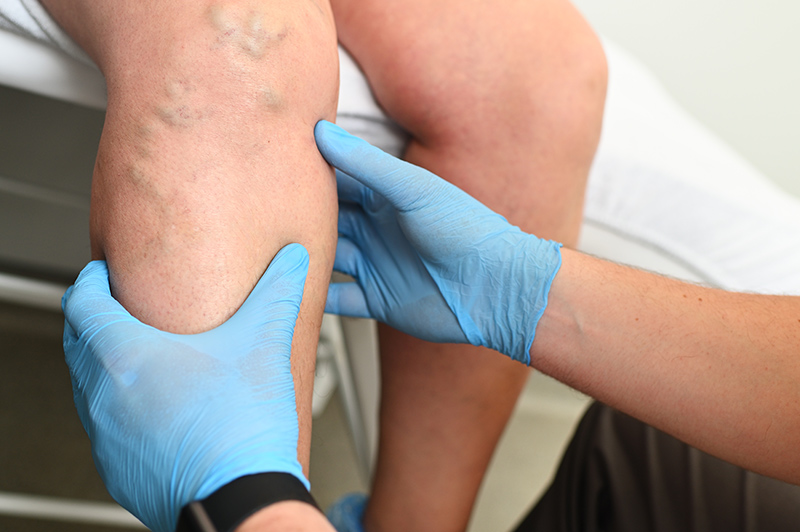
Personalised Varicose Veins Treatment with Dr Sujit Singh Gill
Varicose veins are more than a cosmetic concern—they can affect circulation, cause ongoing discomfort, and lead to serious complications if left untreated. Understanding the causes, risks, and available treatment options can help you take proactive steps toward better vein health.
At The Vascular & General Surgery, our experienced team is committed to providing effective, minimally invasive solutions tailored to your needs. Under the care of Dr Sujit Singh Gill and our vascular specialists, you can receive personalised treatment designed to improve both your comfort and quality of life.
If you're experiencing symptoms of varicose veins or would like to explore your treatment options, book an appointment with us today.
FAQs About Varicose Veins Health Concerns
How can I tell if my varicose veins require medical attention?
Varicose veins may indicate an underlying vein condition if they are accompanied by symptoms such as aching, heaviness, swelling, leg cramps, itching, or skin changes around the affected area. If symptoms worsen over time or interfere with daily activities, a specialist assessment and ultrasound examination can help determine whether treatment is needed.
Is it safe to exercise if I have varicose veins?
In most cases, exercise is encouraged for individuals with varicose veins because it helps improve blood circulation and strengthens the calf muscles, which assist in pumping blood back to the heart. Low-impact activities such as walking, swimming, and cycling are particularly beneficial, while prolonged inactivity may worsen symptoms.
Can untreated varicose veins lead to complications?
Yes. While some varicose veins cause only mild symptoms, untreated cases can progress and lead to complications such as persistent swelling, skin discolouration, eczema, bleeding, or venous leg ulcers. Early assessment can help identify underlying vein disease and reduce the risk of more serious problems developing over time.