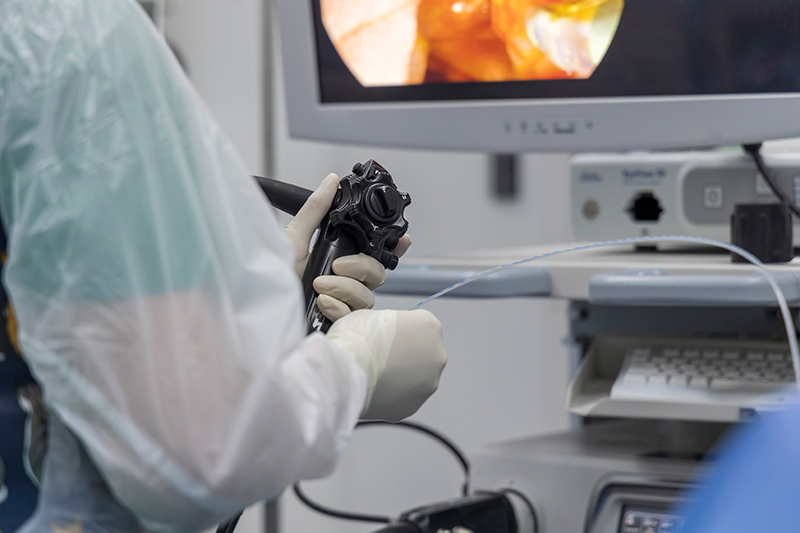

Many people assume a gastroscopy is only necessary for severe or long-standing acid reflux. While occasional heartburn often improves with lifestyle changes or medication, persistent or recurring reflux symptoms may sometimes indicate underlying conditions that cannot be identified through symptoms alone. A gastroscopy allows the upper digestive tract to be examined directly, helping determine whether acid reflux has caused complications or whether another condition is responsible for your symptoms.
A gastroscopy can reveal a range of findings, including inflammation, ulcers, Barrett's oesophagus, structural abnormalities and other conditions affecting the oesophagus or stomach. Identifying these changes early helps guide appropriate treatment and determine whether further monitoring or investigation is needed.
Understanding when a gastroscopy may be recommended helps you make informed decisions about your digestive health. For people with persistent symptoms or recognised risk factors, early assessment can clarify the diagnosis, detect complications and provide reassurance when serious conditions have been excluded.
Key Takeaways
- A gastroscopy may be recommended for persistent or recurring acid reflux, even if symptoms are not severe.
- The procedure can identify inflammation, ulcers, Barrett's oesophagus, structural abnormalities and other upper gastrointestinal conditions that symptoms alone cannot confirm.
- Warning signs such as difficulty swallowing, unexplained weight loss, vomiting blood or black stools should be assessed promptly by a gastroscopy specialist.
- Early evaluation can provide reassurance when serious conditions are excluded and support more effective long-term management of acid reflux.
What Can a Gastroscopy Reveal That Symptoms Alone Cannot?
Although symptoms such as heartburn, regurgitation or chest discomfort may suggest acid reflux, they do not always reveal the underlying cause or whether complications have developed. Many upper gastrointestinal conditions produce similar symptoms, making it difficult to distinguish between them based on symptoms alone. A gastroscopy allows a gastroscopy specialist to directly examine the lining of the oesophagus, stomach and first part of the small intestine, helping identify abnormalities that may not be detected through a physical examination or symptom assessment alone.
Inflammation and Damage to the Oesophagus
Persistent acid reflux can inflame and damage the lining of the oesophagus, a condition known as oesophagitis. During a gastroscopy, the specialist can assess the severity of inflammation, identify areas of erosion or ulceration and determine whether ongoing acid exposure has caused tissue damage. These findings help guide treatment decisions and monitor healing where necessary.
Barrett's Oesophagus and Precancerous Changes
In some patients, long-standing gastro-oesophageal reflux disease (GERD) can cause the cells lining the lower oesophagus to change, resulting in a condition called Barrett's oesophagus. While Barrett's oesophagus itself is not cancer, it is associated with an increased risk of oesophageal cancer over time. Gastroscopy enables early identification of these changes, and small tissue samples (biopsies) may be taken for further laboratory analysis if required.
Ulcers, Gastritis and Other Stomach Conditions
Not all upper digestive symptoms are caused by acid reflux. A gastroscopy may identify stomach ulcers, gastritis or inflammation affecting the stomach lining, all of which can produce symptoms similar to reflux. If necessary, biopsies can also be taken to test for Helicobacter pylori (H. pylori), a bacterial infection commonly associated with chronic gastritis and peptic ulcers.
Structural Abnormalities Affecting the Upper Digestive Tract
A gastroscopy can also detect structural abnormalities that may contribute to reflux symptoms or difficulty swallowing. These include hiatal hernias, where part of the stomach moves above the diaphragm, and oesophageal strictures, which are narrowings that can develop following chronic inflammation. Identifying these structural abnormalities helps explain persistent symptoms and guide appropriate treatment.
Early Warning Signs of More Serious Conditions
Although uncommon, persistent reflux-like symptoms may occasionally be associated with more serious conditions, including early cancers of the oesophagus or stomach. Gastroscopy allows suspicious areas, abnormal growths or unexplained changes in the digestive tract to be identified at an earlier stage, when treatment options are generally broader and outcomes are often better. While most people undergoing gastroscopy do not have cancer, excluding serious disease remains an important part of the assessment, particularly in those with persistent symptoms or concerning warning signs.
What Are the Benefits of Gastroscopy for Persistent Acid Reflux?
Persistent acid reflux can affect people differently, and symptoms alone do not always indicate the underlying cause or severity of the condition. A gastroscopy provides valuable information that helps a gastroscopy specialist make a more accurate diagnosis, assess for complications and develop an appropriate treatment plan. Beyond confirming acid reflux, the procedure offers several important benefits that support both immediate management and long-term digestive health.
Helps Confirm the Underlying Cause of Your Symptoms
Heartburn, chest discomfort, regurgitation and upper abdominal pain can occur in several upper gastrointestinal conditions. By identifying the underlying cause of your symptoms, a gastroscopy helps ensure treatment is directed at the condition responsible rather than relying on symptom control alone.
Detects Complications Before They Become More Serious
Long-standing acid reflux may gradually lead to complications, even if symptoms appear manageable. Detecting these changes early allows treatment or surveillance to begin sooner, helping reduce the likelihood that more extensive intervention will be needed later.
Supports Personalised Treatment Planning
The findings from a gastroscopy help guide treatment decisions based on the underlying cause and severity of the condition. Depending on the results, your specialist may recommend lifestyle modifications, medication, further investigations or ongoing surveillance. This allows treatment to be individualised rather than based on symptom control alone.
Provides Reassurance When Serious Conditions Are Excluded
For many patients, one of the greatest benefits of gastroscopy is knowing that significant abnormalities have been ruled out. When the examination does not identify concerning findings, patients can often proceed with greater confidence that their symptoms are being managed appropriately. This reassurance can also help avoid unnecessary anxiety while allowing attention to focus on effective long-term symptom management.

When Should You Consider Gastroscopy Screening for Acid Reflux?
Occasional acid reflux is common and often improves with lifestyle changes or short-term medication. However, the decision to recommend a gastroscopy depends on more than symptom severity alone. If symptoms persist, recur frequently or are accompanied by warning signs, further evaluation may be appropriate to identify underlying conditions and determine whether complications have developed.
When Acid Reflux Symptoms Persist Despite Treatment
If your reflux symptoms continue despite taking prescribed medication or regularly return after treatment stops, a gastroscopy may be recommended. Persistent symptoms can sometimes indicate ongoing inflammation, structural abnormalities or another gastrointestinal condition that requires further assessment.
When You Experience Red Flag Symptoms
Certain symptoms require prompt medical evaluation because they may indicate complications or a more serious underlying condition. These include difficulty or pain when swallowing, unexplained weight loss, persistent vomiting, vomiting blood, black or tarry stools, unexplained iron deficiency anaemia or persistent chest discomfort that has been assessed as non-cardiac. A gastroscopy helps identify the cause of these symptoms and guides appropriate management.
When You Have Long-Standing or Frequent Acid Reflux
People who experience reflux symptoms regularly over many years may have a higher risk of developing complications such as oesophagitis or Barrett's oesophagus. A gastroscopy specialist may recommend screening to assess the health of the oesophagus, particularly if symptoms occur several times a week or have persisted for an extended period.
When You Have Risk Factors for Upper Gastrointestinal Disease
A gastroscopy may also be considered if you have additional risk factors that increase the likelihood of upper gastrointestinal disease. These may include a family history of oesophageal or stomach cancer, a previous diagnosis of Barrett's oesophagus or other medical conditions that place you at increased risk. Your doctor will consider your symptoms, medical history and individual risk profile before recommending whether gastroscopy is appropriate.
Take Action Early with Dr Sujit Singh Gill
While occasional acid reflux is common, persistent or recurring symptoms should not be ignored. A gastroscopy does more than confirm whether acid reflux is present. It helps identify complications, explain persistent symptoms and detect conditions that may require different treatment or ongoing monitoring. Early assessment can also help detect complications before they become more difficult to manage.
At Vascular & General Surgery Centre, we provide comprehensive assessment and evidence-based care for patients experiencing persistent acid reflux and other upper gastrointestinal symptoms. Led by Dr Sujit Singh Gill, our experienced gastroscopy specialist offers thorough evaluation and recommendations tailored to each patient's condition and health needs.
If your acid reflux symptoms are ongoing, worsening or accompanied by warning signs, arrange a consultation with us to discuss whether a gastroscopy is appropriate for you.
Frequently Asked Questions (FAQs) About Gastroscopy for Acid Reflux
Can acid reflux be diagnosed without a gastroscopy?
Yes, uncomplicated acid reflux is often diagnosed based on symptoms and treatment response. However, persistent, frequent or concerning symptoms may require a gastroscopy to identify the cause and rule out complications.
If my acid reflux improves with medication, do I still need a gastroscopy?
It depends on your situation. While medication can ease symptoms, it may not address the underlying cause. If you have long-standing or recurring reflux, your doctor may still recommend a gastroscopy to assess your oesophagus and stomach.
How often do I need a repeat gastroscopy?
Most people do not require regular gastroscopy. Repeat examinations are usually recommended only when symptoms change, persist despite treatment or when surveillance is required for conditions such as Barrett's oesophagus. Your specialist will advise whether follow-up gastroscopy is appropriate.