
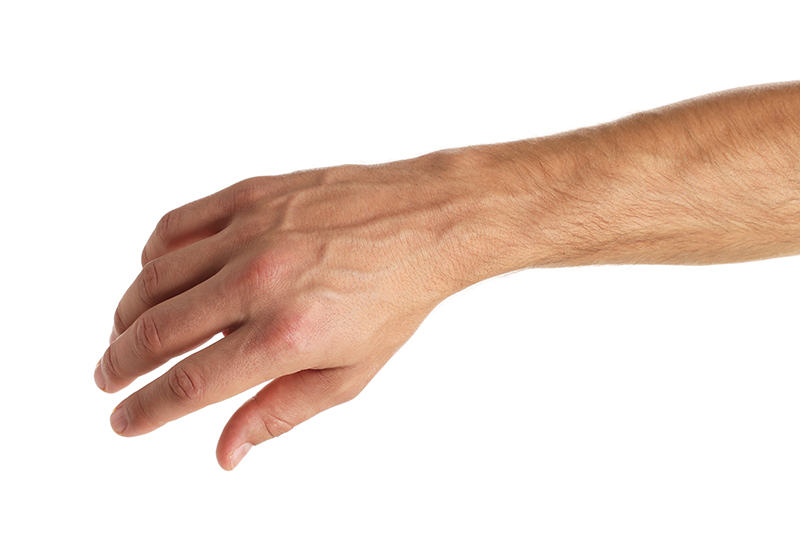
Visible veins are a common concern, particularly when they become more noticeable on the legs, hands, or arms. While many people assume that visible veins automatically indicate impaired venous blood flow or vein disease, this is not always the case. Factors such as genetics, ageing, exercise, pregnancy, and body composition can all make veins more prominent without affecting vascular health.
Understanding the difference between harmless visible veins and symptoms that warrant medical attention is key to protecting your long-term health.
Key Takeaways
- Visible veins are often harmless and may be caused by genetics, ageing, exercise, or hormonal changes.
- Symptoms such as pain, swelling, heaviness, or skin changes may indicate underlying vein disease.
- Veins that worsen over time or cause discomfort should be assessed by a vein specialist.
- Early evaluation can determine whether treatment is needed and help prevent complications.
What Causes Visible Veins?
Visible veins can occur for many reasons, and not all of them are related to vein disease. In many cases, veins become more noticeable due to natural changes in the body, lifestyle factors or genetics.
Genetics and Family History
Genetics play a significant role in determining how visible your veins are. Some people naturally have thinner skin, less tissue covering their veins, or a higher likelihood of developing varicose and spider veins. If close family members have prominent veins or vein disease, you may be more likely to experience similar changes.
Ageing and Thinning Skin
As you age, the skin gradually loses collagen and elasticity, becoming thinner over time. This makes the veins beneath the skin more visible, particularly on the hands, arms, and legs. Ageing can also weaken vein valves, increasing the risk of developing varicose veins and other venous conditions.
Low Body Fat and Exercise
People with low body fat often have more noticeable veins because there is less tissue covering them. This is especially common among athletes and individuals who engage in regular strength training, making veins appear larger and more prominent during and after physical activity.
Pregnancy and Hormonal Changes
Pregnancy places additional pressure on the veins, especially in the legs and pelvis. Increased blood volume and hormonal changes related to puberty, menopause or hormone-based medications can cause veins to enlarge and become more visible.
Underlying Vein Disease
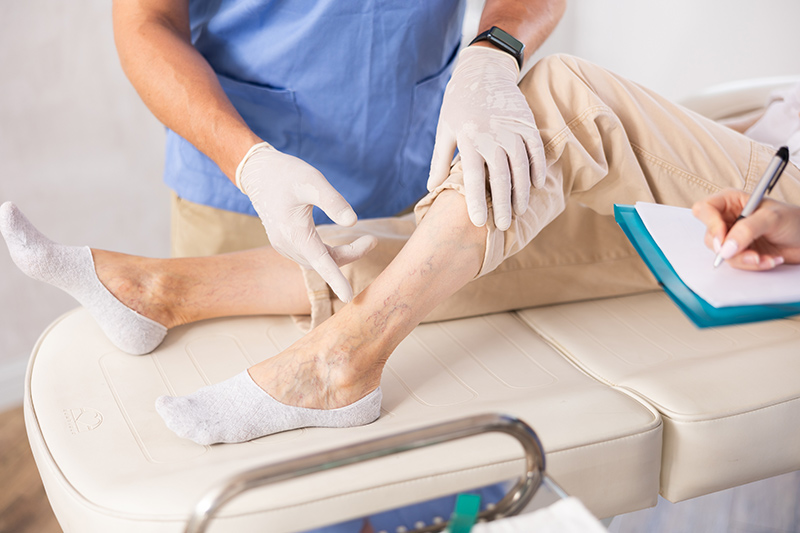
In some cases, visible veins are caused by an underlying vein problem such as chronic venous insufficiency or varicose veins. When vein valves fail to function properly, blood can pool in the veins, causing them to enlarge and become more noticeable. Visible veins accompanied by symptoms such as aching, heaviness, swelling, cramping, or skin changes should be evaluated by a vein specialist.
What Are the Symptoms of an Underlying Vein Problem?
Visible veins may be more than a cosmetic concern when they are linked to discomfort, swelling, or changes in the skin. Symptoms of an underlying vein problem often develop gradually and may worsen after long periods of standing or sitting.
Leg Pain or Aching
A dull ache, throbbing, or burning sensation in the legs can be a sign that blood is not flowing properly through the veins. This discomfort may become more noticeable at the end of the day.
Heaviness or Fatigue
Legs that feel unusually heavy, tired, or weak may indicate impaired venous blood flow. This symptom is common in people with varicose veins or chronic venous insufficiency.
Swelling in the Legs or Ankles
Persistent swelling, especially around the ankles or lower legs, can occur when fluid builds up due to poor vein function. Swelling may worsen after standing or sitting for long periods.
Bulging or Twisted Veins
Large, raised, or rope-like veins may indicate varicose veins. These veins often appear blue or purple and may become tender, itchy, or uncomfortable.
Itching or Skin Irritation
Itchy, dry, or irritated skin around visible veins can be a sign of inflammation caused by impaired venous blood flow. Scratching may worsen irritation and increase the risk of skin damage.
Skin Discoloration
Darkening, redness, or brown patches around the ankles or lower legs may suggest chronic venous insufficiency. Skin changes should be assessed early to prevent complications.
Leg Cramps or Restlessness
Some people with venous disease report night cramps, leg discomfort or restlessness, although these symptoms can also occur due to other medical conditions.
Slow-Healing Wounds
Sores or wounds near the ankles that heal slowly may be a sign of advanced vein disease. These ulcers require medical assessment and should not be ignored.
When Should You See a Specialist for Visible Veins?
Not all visible veins require medical treatment. However, a specialist consultation can help determine whether your veins are linked to an underlying vein condition. Consider seeking an assessment in the following situations.
Visible Veins Getting Worse
If your veins are becoming more noticeable, spreading to new areas, or increasing in size over time, it may indicate progressive vein disease, although natural ageing, weight loss, or other physiological changes can also make veins more noticeable. An evaluation can identify the cause before more significant complications develop.
Conservative Measures Aren't Helping
Some people try lifestyle changes such as exercise, leg elevation, compression stockings, or weight management without seeing improvement. A vein specialist can assess whether additional treatment options may be beneficial.
You Have a Family History of Vein Disease
A strong family history of varicose veins, chronic venous insufficiency, or blood clots can increase your risk of developing vein problems. Early assessment may help identify issues before they become more advanced.
Concerned About Cosmetic Appearance
Even if visible veins are not causing significant symptoms, many people seek treatment for cosmetic reasons. A specialist can assess whether the veins are purely cosmetic or related to an underlying vein condition, and recommend suitable treatments such as sclerotherapy, endovenous laser therapy (EVLT), or chemical ablation where appropriate.
Visible veins are often harmless, but they can sometimes indicate underlying vein disease. If you're unsure, a specialist assessment and ultrasound can determine whether treatment is needed and help prevent future complications.
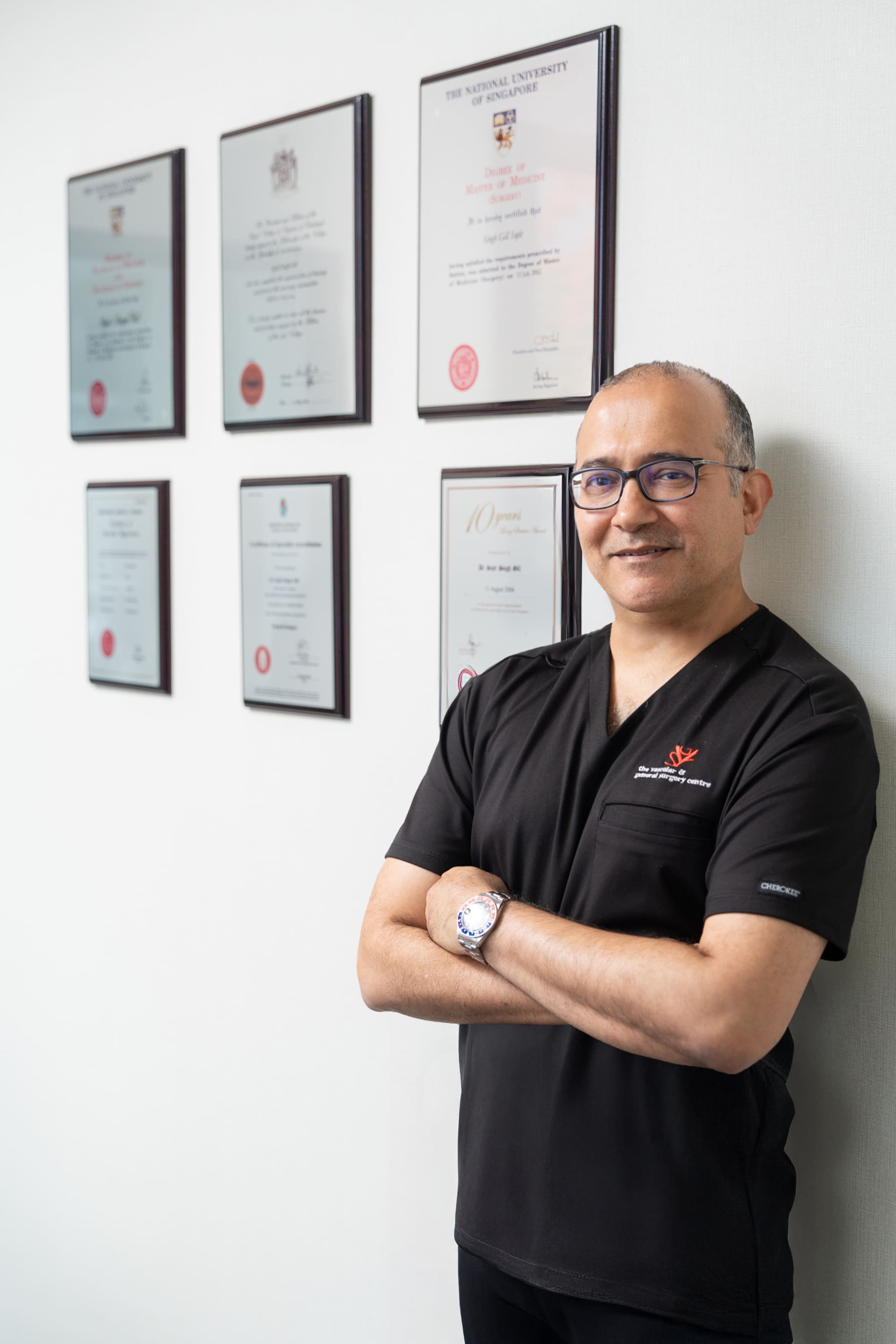
Advanced Vein Treatment with Dr Sujit Singh Gill
Ageing, genetics, or lifestyle factors often contribute to visible veins and may not require treatment. However, when they are accompanied by symptoms such as pain, swelling, heaviness, or skin changes, they may indicate an underlying vein condition that warrants further evaluation.
At The Vascular & General Surgery, our team is dedicated to diagnosing and treating a wide range of vein conditions using evidence-based, minimally invasive approaches. Under the care of Dr Sujit Singh Gill, we can help determine whether your visible veins are purely cosmetic or a sign of an underlying issue.
If you're concerned about visible veins or experiencing symptoms of vein disease, book an appointment with our team today for a comprehensive assessment and personalised treatment recommendations.
FAQs About Underlying Vein Problems
Are visible veins always a sign of an underlying vein problem?
No. Visible veins are often harmless and may be caused by genetics, ageing, low body fat, exercise, pregnancy, or hormonal changes. However, visible veins accompanied by symptoms such as pain, swelling, heaviness, or skin changes may indicate an underlying vein condition and should be assessed by a specialist.
How can I tell if my visible veins are normal or a sign of vein disease?
Visible veins may warrant further evaluation if they are associated with symptoms such as aching, leg heaviness, swelling, itching, skin discolouration, or worsening appearance over time. A specialist assessment and ultrasound can help determine whether an underlying vein problem is present.
Is treatment for visible veins purely cosmetic?
Not always. While some visible veins are treated for aesthetic reasons, others may be linked to underlying vein disease that causes symptoms and affects venous blood flow. A specialist assessment can determine whether treatment is medically beneficial as well as cosmetically desirable.
Can visible veins indicate a blood clot?
Most visible veins are not caused by blood clots. However, if a vein becomes suddenly swollen, hard, red, warm, or painful, it could indicate superficial vein inflammation or a blood clot that requires prompt medical evaluation. A specialist can determine the cause through a physical examination and ultrasound imaging.