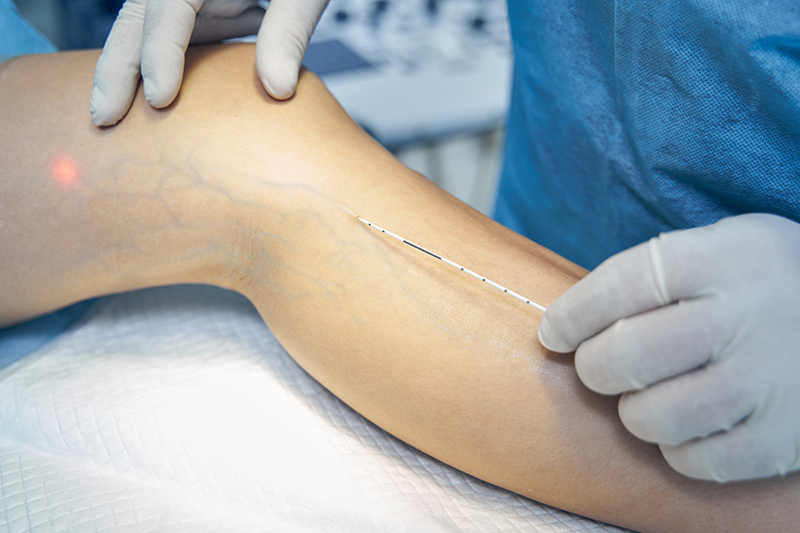

Varicose veins can cause aching, heaviness, swelling and visible enlarged veins that affect both comfort and quality of life. When symptoms persist despite lifestyle measures or compression stockings, medical treatment may be recommended to relieve symptoms and improve vein function. Today, patients have access to several effective treatment options, with laser vein removal and traditional vein surgery being two of the most commonly performed approaches.
Although both treatments aim to address damaged veins and improve blood circulation, they differ in how they are performed, the recovery involved and the patients they are best suited for. Understanding these differences, including when each treatment can be recommended and what to consider before making a decision, can help you have a more informed discussion with your vein specialist.
Key Takeaways
- Laser vein removal is a minimally invasive treatment that uses heat to close affected varicose veins.
- Traditional vein surgery involves removing or tying off damaged veins through surgical incisions.
- Laser vein removal usually involves smaller access points, less scarring and a shorter recovery time.
- Traditional vein surgery may still be recommended for more complex vein conditions.
How Does Laser Vein Removal Differ from Traditional Vein Surgery?
Laser vein removal and traditional vein surgery are both established treatments for varicose veins, but they differ in their technique, recovery and suitability for different vein conditions. The most appropriate option depends on factors such as the size and location of the affected veins, your overall health and the findings of your vein assessment. The table below compares the key differences between these two approaches.
| Feature | Laser Vein Removal | Traditional Vein Surgery |
|---|---|---|
| Procedure | Uses laser energy to close the affected vein from within. | Involves surgically removing or tying off the affected vein through small incisions. |
| Invasiveness | Minimally invasive. | More invasive surgical procedure. |
| Anaesthesia | Usually performed under local anaesthesia. | May require general or spinal anaesthesia, depending on the procedure. |
| Incisions | Small puncture site or tiny incision for catheter insertion. | Multiple small incisions are typically required. |
| Recovery | Most patients return to normal daily activities within a few days, following their specialist's advice. | Recovery generally takes longer and may require more time away from work or strenuous activities. |
| Scarring | Minimal scarring due to the small access point. | Small scars may remain where incisions were made. |
| Best suited for | Many patients with suitable varicose veins seek a minimally invasive treatment. | Patients with more complex vein conditions or when minimally invasive treatments are not appropriate. |
When Is Laser Vein Removal More Suitable Than Traditional Vein Surgery?
Laser vein removal is often recommended for patients with varicose veins that cause symptoms such as aching, heaviness, swelling, or discomfort. As a minimally invasive vein treatment, it can effectively close damaged veins while allowing blood to reroute through healthier veins. However, not every patient or vein condition is suitable for laser treatment, so a thorough assessment is essential before deciding on the most appropriate approach.
When You Have Symptomatic Varicose Veins
Laser vein removal is commonly considered when varicose veins cause symptoms that affect daily life or when conservative measures, such as compression stockings, have not provided sufficient relief. A vein specialist will evaluate your symptoms, medical history and the severity of your vein condition before recommending treatment.
When a Minimally Invasive Treatment May Be Preferred
Many patients choose laser vein removal because it is performed through a small access point rather than surgical incisions. The procedure is typically carried out under local anaesthesia as a day procedure, allowing many people to return to normal activities sooner. However, not every vein condition is suitable for laser treatment and some patients may achieve better outcomes with traditional vein surgery or another treatment approach.
After a Vein Assessment by a Vein Specialist
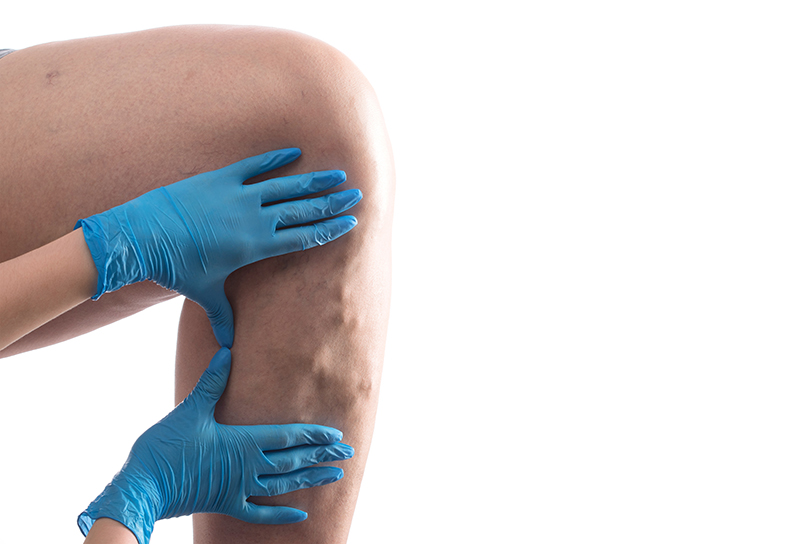
Before recommending treatment, a vein specialist will usually perform a clinical examination and duplex ultrasound assessment . This helps determine whether laser vein removal, traditional vein surgery or another treatment option is most appropriate based on your vein anatomy and the complexity of your condition.
What Should You Consider Before Choosing a Vein Treatment?
Laser vein removal is a safe and effective treatment for many patients, but careful planning is essential to achieve the best possible outcome. Before undergoing the procedure, your vein specialist will assess your condition, discuss your treatment goals and explain what to expect. Understanding these factors can help you make an informed decision and prepare for your vein treatment.
Understand Whether Laser Vein Removal Is Right for You
While laser vein removal is suitable for many people with varicose veins, it is not the best option for every vein condition.. Factors such as the size and location of the affected veins, your overall health and any previous vein treatments all influence which procedure is most appropriate. Your specialist will recommend the treatment that best matches your individual circumstances.
Your Medical History and Current Medications
Be sure to inform your specialist about any existing medical conditions, allergies, or medications you are taking, including blood-thinning medications and supplements. This information helps your care team plan your treatment safely and provide any preparation instructions before the procedure.
Know What to Expect During the Procedure
Understanding how your recommended procedure is performed, the type of anaesthesia used, the expected recovery timeline, and any temporary side effects can help you feel more prepared. Your specialist will also explain the expected benefits, potential risks, and post-treatment care before treatment takes place.
Choosing the Right Vein Treatment with Dr Sujit Singh Gill
Laser vein removal and traditional vein surgery are both effective treatments for varicose veins, but the most appropriate option depends on the severity of your condition, your vein anatomy and your overall health. While laser vein removal offers a minimally invasive approach with shorter recovery for many patients, traditional vein surgery may still be recommended for more complex cases or when other treatments are not suitable.
At the Vascular & General Surgery Centre, we provide comprehensive assessment and individualised treatment planning for patients with varicose veins . Led by Dr Sujit Singh Gill, our vascular clinic in Singapore uses clinical evaluation and duplex ultrasound assessment to determine whether laser vein removal, vein surgery, or another treatment option is most appropriate for your condition .
If you are experiencing symptoms of varicose veins or would like to explore your treatment options, contact us to arrange a consultation with our vein specialist. We can assess your condition, explain the available treatments and recommend a personalised approach based on your individual needs and vascular health.
Frequently Asked Questions (FAQs) About Laser Removal and Vein Surgery
Why might traditional vein surgery still be recommended?
Traditional vein surgery may be recommended for some patients with more complex vein anatomy or when minimally invasive treatments are unlikely to provide the best outcome. Your vein specialist will recommend the approach based on your vein assessment rather than choosing one treatment for every patient.
Will I need more than one laser vein removal treatment?
Some patients achieve good results after a single treatment, while others may require additional procedures to treat multiple veins or any remaining varicose veins.
Will I have visible scars after laser vein removal?
Laser vein removal requires only a very small access point for the treatment catheter. Most patients have little to no noticeable scarring once the area has healed.
Is laser vein removal painful?
Laser vein removal is usually performed under local anaesthesia, so most patients experience little discomfort during the procedure. Mild soreness, bruising or tightness afterwards is common but generally improves over the following days.
Is laser vein removal better than vein surgery?
Neither treatment is universally better. The most suitable option depends on the severity of your varicose veins, the affected veins and your overall health. A varicose vein specialist will recommend the treatment that offers the best outcome for your individual condition.