
Hernias occur when an internal organ or tissue pushes through a weakened area in the surrounding
muscle or connective tissue. Some people experience discomfort, pressure or aching in the
affected area, while others may only notice a mild swelling at first. Although symptoms can
vary, hernias do not heal on their own and may gradually enlarge over time if left untreated.
Surgical intervention is often required.
This surgery can feel daunting to patients, as the idea of undergoing abdominal surgery can
cause substantial anxiety and discomfort. For many patients, understanding what happens before,
during and after the operation can make the experience feel less uncertain. Knowing how to
prepare, what the surgery involves and how recovery typically progresses allows patients to
approach treatment with greater confidence and clarity.
Preparation for Hernia Surgery
Before hernia surgery, patients should attend all pre-operative consultations, where the surgeon will review medical history, current medications, allergies and past surgeries. Depending on age and overall health, investigations such as blood tests, an ECG or imaging may be arranged to ensure surgery can proceed safely without delays.
Other preparations before surgery include:
- Medication Adjustments: Blood thinners like aspirin or warfarin may need to be paused. Discuss all prescriptions, over-the-counter medication and supplements with your surgeon.
- Fasting: Patients are usually required to fast for 6–8 hours before surgery. Most surgeons recommend avoiding all food and drinks after midnight the night before the procedure to reduce anaesthetic-related risks.
- Lifestyle Adjustments: Patients are advised to stop smoking several weeks before surgery and avoid alcohol for at least 24–48 hours beforehand. Light exercise can help maintain strength and circulation, but strenuous activity that strains the abdominal muscles should be avoided.
- Practical Preparations: Arrange transport on the day of surgery and plan for home support with meals, chores and personal care during the first few days of recovery. Wearing loose-fitting clothing is recommended, and jewellery should be left at home.
What to Expect on the Day of Surgery
Understanding the day-of-surgery process can reduce anxiety and help patients feel more prepared. While each hospital has slightly different routines, most patients in Singapore go through a similar sequence of steps.
1. Pre-operative Preparation
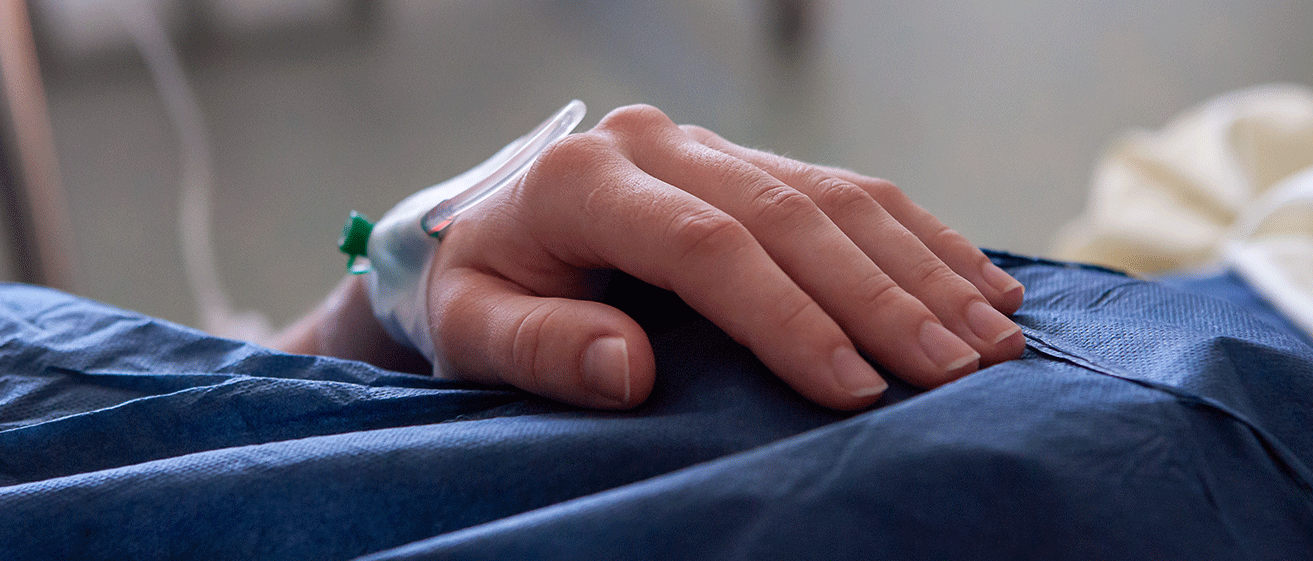
Before being taken into the operating theatre, an intravenous (IV) line is inserted for fluids and medications. The anaesthetist will review the anaesthesia plan and address any last-minute concerns. In some cases, antibiotics are given before surgery to reduce the risk of infection.
2. Anaesthesia
Most hernia surgeries are performed under general anaesthesia, so the patient remains fully asleep throughout the procedure. In selected cases, regional or spinal anaesthesia may be used to numb the lower part of the body. Throughout surgery, the medical team continuously monitors vital signs such as heart rate, blood pressure, breathing and oxygen levels.
3. The Procedure Itself
Once anaesthesia takes effect, the surgeon makes an incision near the hernia site and gently returns the protruding tissue to its proper position. The weakened abdominal wall is then repaired, either with stitches or reinforced with surgical mesh for added support. Simple hernia repairs usually take 30–60 minutes, while more complex cases may require more time.
4. Recovery and Observation
After surgery, patients are transferred to a recovery room for observation. Most patients remain under monitoring for 1–3 hours before discharge. Pain relief is provided as needed, and patients are encouraged to start gentle movement once fully awake.
Post-Surgery Recovery Process
Recovery after hernia surgery varies depending on the surgical technique, patient age and overall health. While individual experiences differ, most patients go through similar stages during the recovery period.
Pain and Discomfort
Most patients experience mild to moderate discomfort in the first few days, which can usually be managed with prescribed pain medication. Swelling and bruising around the incision site are common and typically improve within 1–2 weeks.
Movement and Activity
Early mobilisation is encouraged to improve circulation and reduce the risk of blood clots. Short walks around the home or hospital ward can help prevent stiffness and support recovery. However, patients should avoid heavy lifting, straining and strenuous exercise for at least 2–6 weeks, depending on the type of repair and the surgeon’s recommendations.
Wound Care
Keeping the incision clean and dry is important for proper healing. Dressing changes should be done according to the surgical team’s instructions. Showering is often allowed after 24 hours, but soaking in baths or swimming should be avoided until the wound has fully healed.
Diet and Bowel Habits
A balanced diet with adequate fibre helps prevent constipation, which is common after abdominal surgery. Drinking sufficient fluids also supports digestion and recovery. Some patients may need mild laxatives if bowel movements are delayed.
When to Contact Your Hernia Surgeon
Hernia surgery is generally safe and most patients recover without complications. However, certain symptoms may indicate a problem and should be assessed by a doctor promptly. Contact your healthcare provider if you experience:
- Fever or chills
- Increasing redness, swelling or discharge from the wound
- Severe pain not relieved by medication
- Difficulty passing urine or stools
Scheduled follow-up appointments allow the surgeon to monitor healing, remove sutures if necessary and provide guidance on returning to work or physical activity. Ongoing communication with the surgical team helps ensure a safe recovery and timely management of any concerns.
Supporting Safe and Smooth Recovery After Hernia Surgery
With proper preparation, a clear understanding of the surgical process and adherence to post-operative care instructions, most patients recover well and gradually return to their normal daily activities. Remaining well-informed about the entire process can help patients maintain peace of mind and move forward without anxiety.
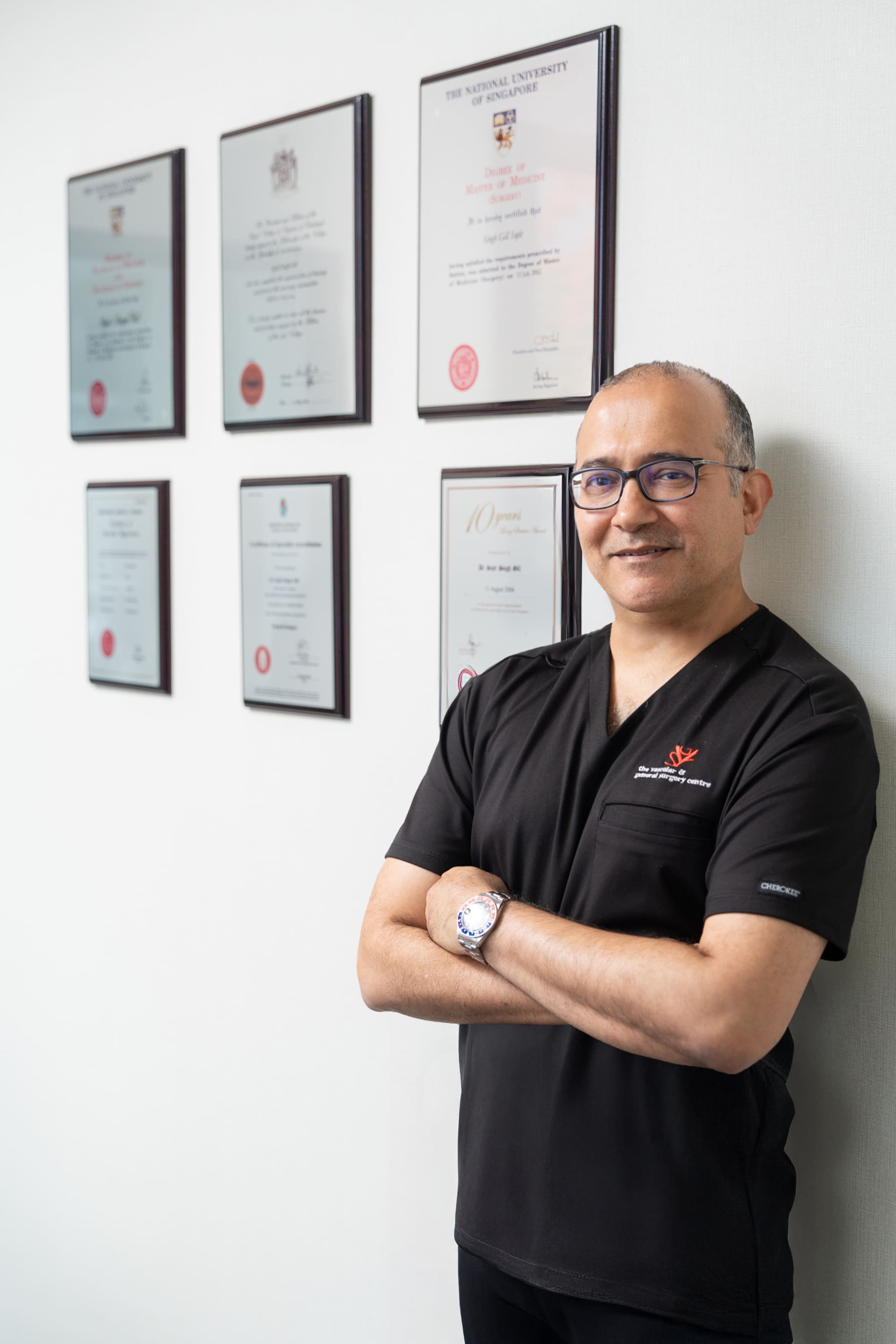
At the Vascular & General Surgery Centre, our team provides comprehensive assessment and surgical management for patients with hernias. The clinic is led by Dr Sujit Singh Gill, who focuses on careful diagnosis, clear communication and evidence-based treatment to help patients understand their condition and make informed decisions about surgery and recovery.
Contact us today to arrange a consultation and learn more about the treatment options available for hernia repair.