
Gastroscopy screening is often recommended when persistent digestive symptoms or risk factors
raise concern about conditions affecting the upper digestive tract. Doctors commonly use this
procedure to investigate ongoing acid reflux, unexplained abdominal pain, difficulty swallowing
or signs of stomach bleeding.
By allowing direct visual examination of the oesophagus, stomach and duodenum, gastroscopy helps
detect common conditions that may arise in these parts of the digestive tract. Identifying these
conditions early can support timely treatment, accurate diagnosis and reduce the risk of
complications.
What Is Gastroscopy?
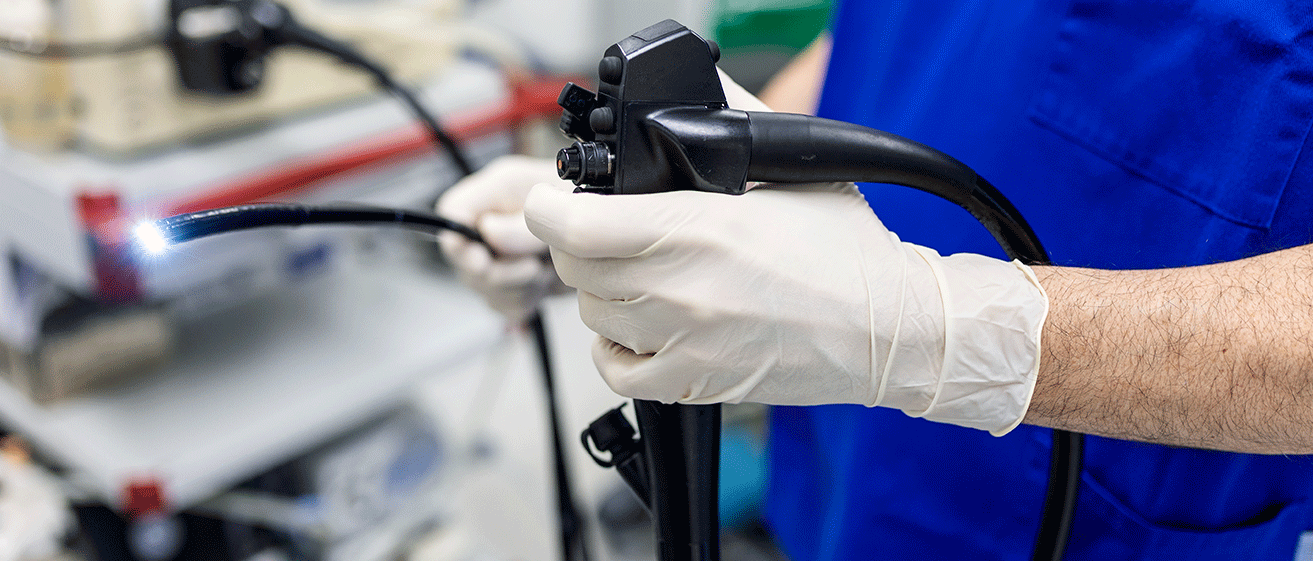
Gastroscopy, also known as upper gastrointestinal endoscopy, is a medical procedure used to examine the lining of the oesophagus, stomach and the first part of the small intestine (duodenum). It involves passing a thin, flexible tube with a camera, called a gastroscope, through the mouth to capture real-time images of the upper digestive tract.
The procedure is usually performed with local throat anaesthesia and optional sedation. It typically takes about 10–15 minutes, and most patients experience mild discomfort rather than pain. Gastroscopy is widely used for both diagnosis and certain treatments and is generally considered safe.
Why Gastroscopy Screening Is Important
Gastroscopy allows doctors to directly examine the upper digestive tract and detect
abnormalities that may not be visible on imaging tests or blood investigations. It supports
early diagnosis of conditions such as gastritis, peptic ulcers, oesophageal inflammation and
early-stage cancers.
A key advantage is that the doctor can take biopsies during the same procedure. These tissue
samples are sent for laboratory testing, which helps confirm diagnoses and detect conditions
such as Helicobacter pylori infection, a known contributor to chronic gastritis and gastric
cancer.
When Do Doctors Recommend Gastroscopy?
Gastroscopy screening may be recommended for individuals who have persistent digestive symptoms, known risk factors or medical conditions affecting the upper digestive tract. Identifying who may benefit from this procedure can allow doctors to investigate symptoms early and detect potential problems before complications develop.
Individuals with Persistent Digestive Symptoms
Individuals who experience ongoing digestive symptoms may require a gastroscopy as part of their health evaluations. These symptoms may include:
- Recurrent upper abdominal pain
- Persistent heartburn or acid reflux
- Difficulty swallowing
- Nausea or vomiting
- Unexplained weight loss
- Black or tarry stools
High-Risk Individuals
Certain individuals have a higher risk of developing upper gastrointestinal conditions and may benefit from closer monitoring or screening. This is especially true if they experience any symptoms of digestive conditions. This category includes:
- People with a family history of gastric or oesophageal cancer
- Individuals with a history of chronic Helicobacter pylori infection
- Those with long-standing gastritis or Barrett’s oesophagus
- Smokers and individuals with heavy alcohol consumption
Routine Screening for Older Adults
Gastroscopy may be recommended for older adults, particularly those above the age of 50, as the risk of upper gastrointestinal cancers increases with age. Early-stage disease may also develop without obvious symptoms, making screening an important consideration for selected individuals.
Patients on Long-Term Medications
Individuals who take certain medications over extended periods may have a higher risk of developing irritation or injury to the stomach lining. In some cases, doctors may recommend gastroscopy to evaluate symptoms or monitor for potential complications.
How to Prepare for Gastroscopy
Proper preparation is essential to ensure the procedure is safe and effective. Patients are
usually advised to fast for at least 6–8 hours before the test. This means avoiding both food
and drinks, including water.
Doctors should be informed about all current medications, allergies and medical conditions.
Certain medications, especially blood thinners, may need adjustment before the test, but only
under medical guidance.
On the day of the test, patients are encouraged to arrange for someone to accompany them home if
sedation is used. Driving or operating machinery is not recommended for at least 24 hours after
sedation.
Risks and Considerations
Gastroscopy is considered a low-risk procedure, but mild side effects can occur. These may include:
- Temporary sore throat
- Bloating or mild abdominal discomfort
- Minor bleeding, especially if biopsies are taken
Rare but more serious complications include perforation of the gastrointestinal tract or adverse reactions to sedation. These are uncommon, especially when the procedure is performed by trained specialists.
How Often Should You Get a Gastroscopy?
Gastroscopies are not a routine procedure. An individual without any symptoms or high-risk factors does not require a gastroscopy. In many cases, doctors will only recommend a single baseline gastroscopy when a patient is around the age of 50, in order to screen for possible conditions. If their results are normal, they do not require repeat screenings unless new symptoms arise.
For individuals with chronic conditions such as Barrett’s oesophagus or previous gastric ulcers, periodic screening every 1–3 years may be recommended. Decisions regarding screening intervals should be made in consultation with a healthcare professional who can assess personal risk and clinical indications.

Choosing the Right Clinic for a Gastroscopy
Gastroscopy is a specialised procedure that should be performed by an experienced doctor in a
properly equipped medical facility. If you are experiencing persistent digestive symptoms or are
at a high risk of developing a digestive concern, it is wise to seek out a medical consultation.
Choosing a clinic with trained medical staff, modern endoscopy equipment and appropriate
monitoring can help ensure the procedure is carried out safely and comfortably.
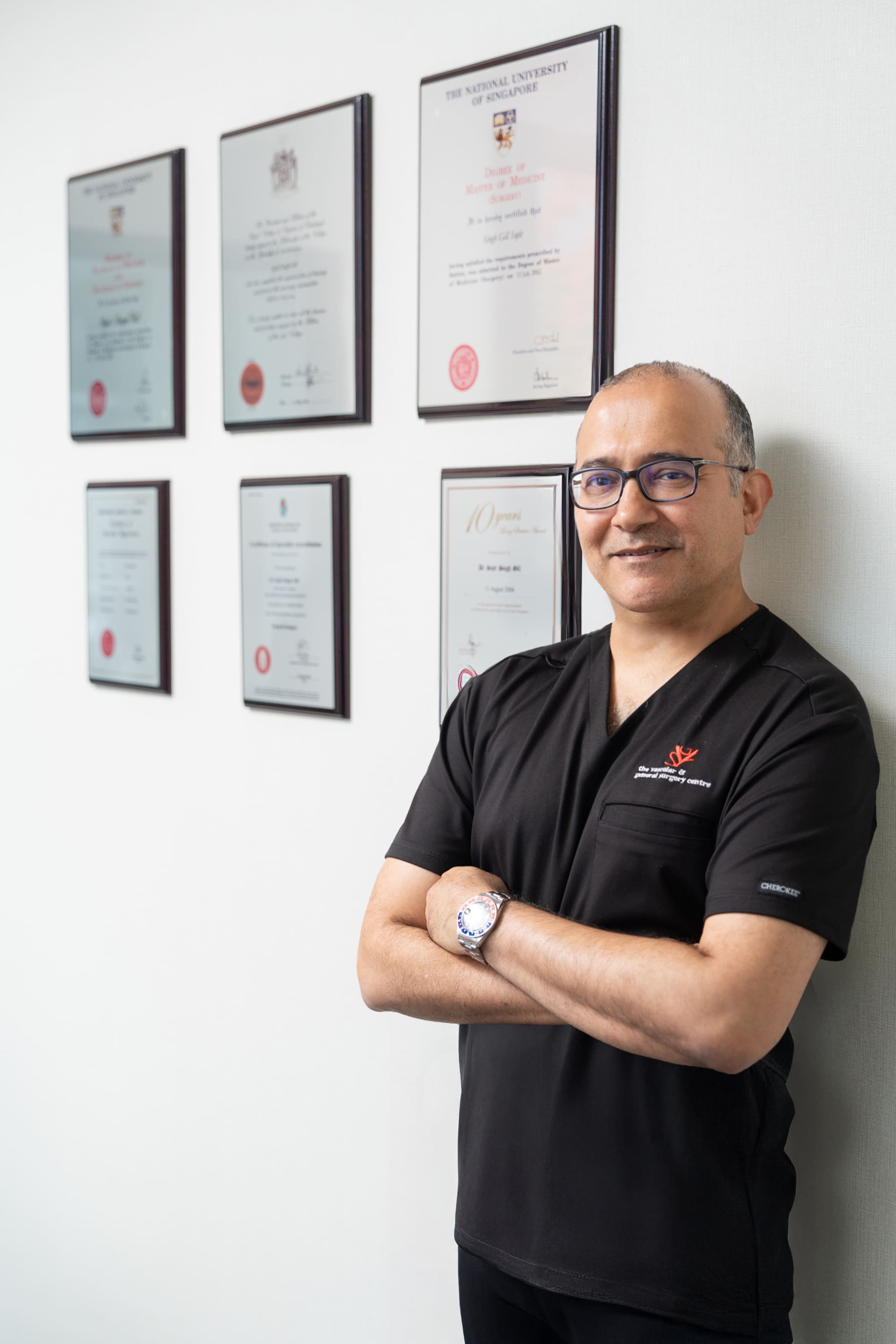
At the Vascular & General Surgery Centre, our team provides gastroscopy evaluation and screening
for individuals with digestive symptoms or relevant risk factors. Our clinic is led by Dr Sujit Singh Gill, who focuses on careful assessment, clear explanations and evidence-based management
to help patients understand their condition and the next steps for treatment or monitoring.
Contact us today to find out more or book an appointment.