
You might not think twice about sore legs after a long day or a bit of swelling around your ankles. It is easy to blame it on standing too long, sitting too much or simply getting older. For many people, these everyday discomforts come and go, becoming part of a routine that hardly seems worth worrying about.
But what if these small, familiar symptoms are actually early warning signs of something more? Venous disease often develops quietly, starting with subtle changes that are easy to overlook or dismiss. By paying closer attention to these early signals, you can catch potential issues sooner and take simple steps to protect your vein health before they progress into more serious conditions.
What Is Venous Disease?
Venous disease refers to a group of conditions that affect how blood flows through your veins, especially those in your legs. Under normal circumstances, veins carry blood back to the heart with the help of tiny valves that keep blood moving in one direction. When these valves become weak or damaged, blood can start to pool in the veins instead of flowing efficiently upward.
Over time, this buildup of pressure can lead to visible and uncomfortable symptoms, such as swelling, aching or enlarged veins. Common types of venous disease include spider veins, varicose veins and chronic venous insufficiency (CVI), which is a more advanced form of the condition.
What Are Early Signs of Venous Disease to Watch For?
In its early stages, venous disease often presents through mild, everyday symptoms that are easy to dismiss. Many people attribute these changes to fatigue, ageing or lifestyle habits, without realising they may reflect underlying issues with blood flow in the veins.
When vein valves do not function properly, blood can begin to pool in the lower limbs. This increases pressure within the veins and gradually affects circulation. While the symptoms may seem minor at first, they often become more noticeable over time if left unaddressed.
Being aware of these early signs can help you take action before the condition progresses:
-
Aching or Heavy Legs
A persistent feeling of heaviness, tightness or dull aching in the legs, especially after long periods of standing or sitting. This sensation is often linked to blood pooling in the veins, which increases pressure and leads to discomfort. While it may improve with rest, recurring heaviness can indicate that circulation is not as efficient as it should be.
-
Swelling in the Ankles or Feet
Mild swelling that tends to worsen towards the end of the day or after prolonged inactivity. This occurs when fluid builds up in the surrounding tissues due to increased pressure in the veins. Although it may appear subtle at first, ongoing swelling can be an early sign that the veins are struggling to return blood effectively to the heart.
-
Visible Veins
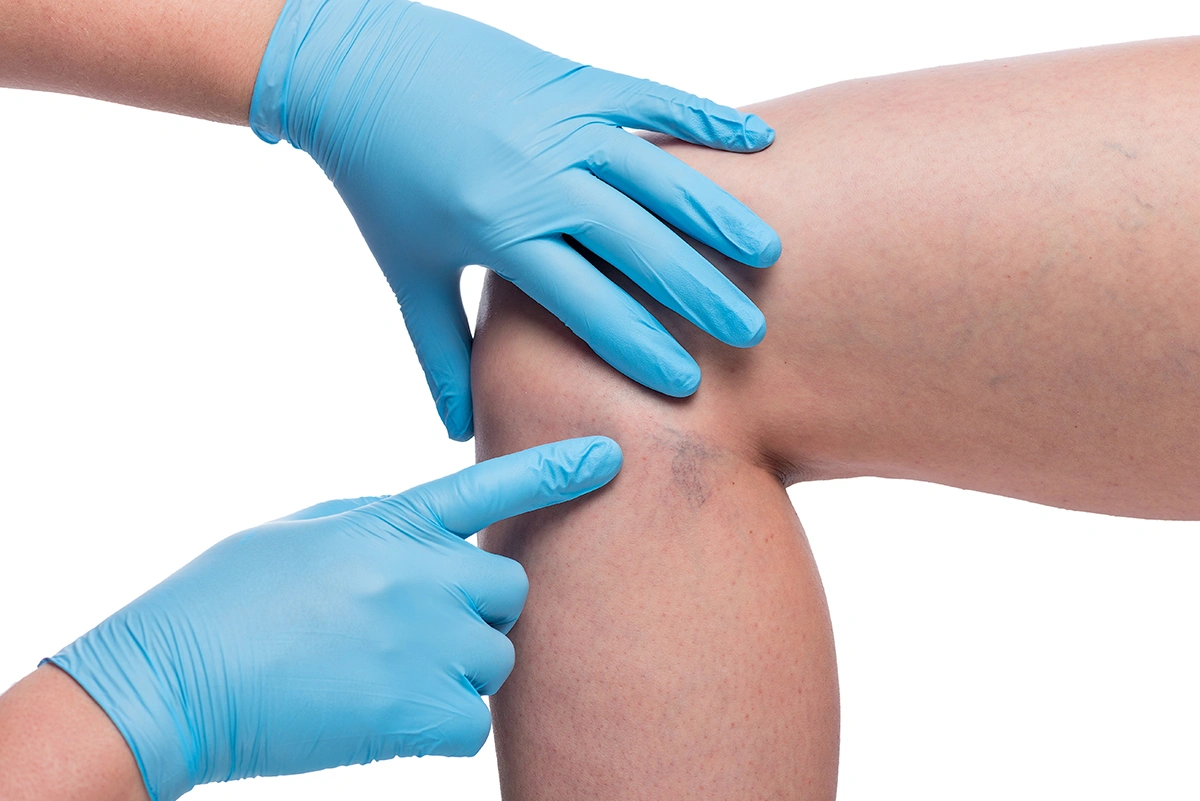
The appearance of spider veins or slightly enlarged, twisted veins beneath the skin. These changes are often seen as cosmetic, but they can signal weakened vein walls or valves. Over time, visible veins may become more prominent and are often one of the earliest outward signs of venous disease.
-
Leg Fatigue or Cramping
A sense of tiredness in the legs or occasional cramping, particularly in the evening or after extended periods of activity. Impaired venous return can lead to increased pressure in the legs, contributing to fatigue and discomfort. When this occurs regularly, it may suggest early changes in venous function.
-
Itching or Tingling Sensations
Unusual sensations such as itching, tingling or mild irritation in the lower legs without an obvious cause. These symptoms can be linked to changes in the skin and underlying tissues due to increased venous pressure. While easy to overlook, they may be among the first signs of developing venous insufficiency.
Benefits of Recognising Early Signs and Seeking Treatment
Recognising the early signs of venous disease is important, but taking action early can make a significant difference. Seeking treatment in the early stages offers several key benefits:
-
Prevents symptoms from worsening
Mild discomfort, swelling or visible veins are less likely to progress into more severe issues
-
Reduces the risk of complications
Early care can help prevent skin changes, inflammation and slow-healing wounds
-
Allows for simpler, less invasive treatment
Many early-stage cases can be managed with lifestyle changes, compression therapy or minimally invasive procedures
-
Improves daily comfort
Relieves symptoms like leg heaviness, fatigue and swelling, making everyday activities easier
-
Supports long-term vein health
Helps maintain better circulation and reduces the likelihood of recurring or worsening problems
When It Comes to Vein Health, Early Care Matters
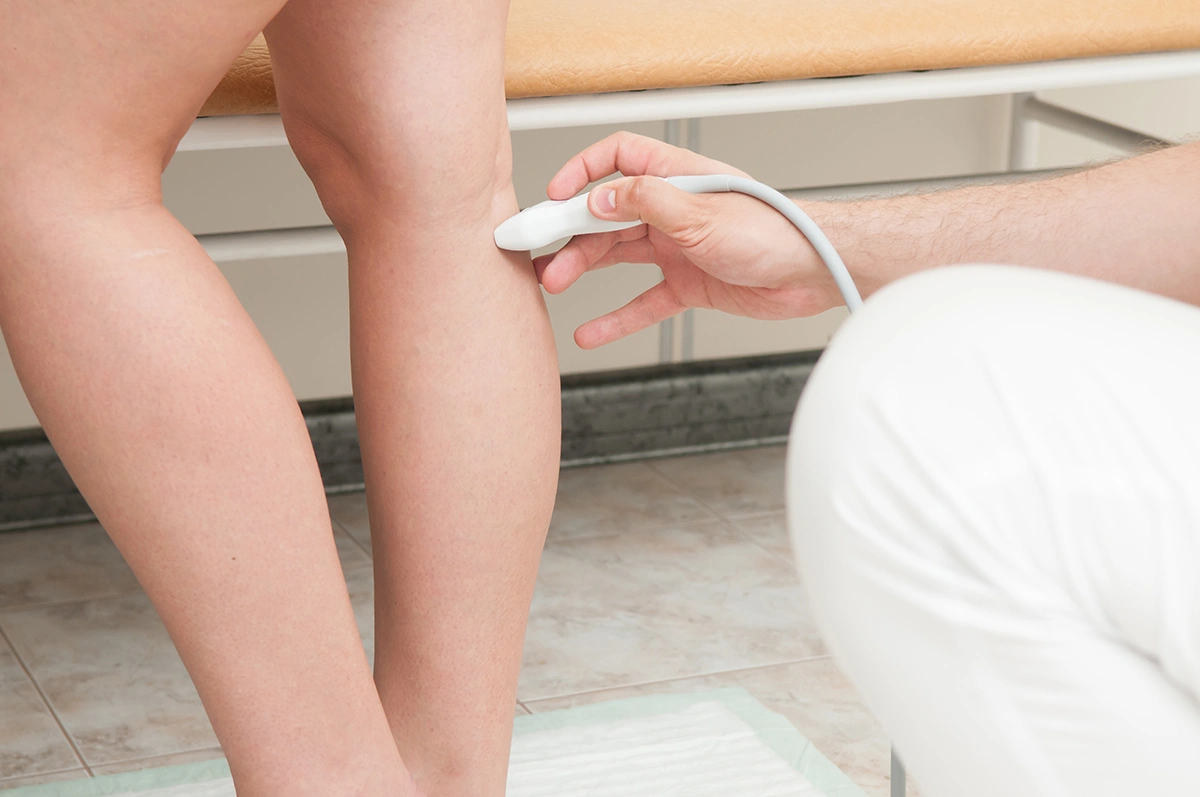
Paying attention to the early signs of venous disease can make a meaningful difference in your long-term health. By recognising symptoms early and taking proactive steps, you can prevent the condition from progressing and maintain better circulation. If in doubt, seeking timely medical advice can provide reassurance and help you stay on the right track.
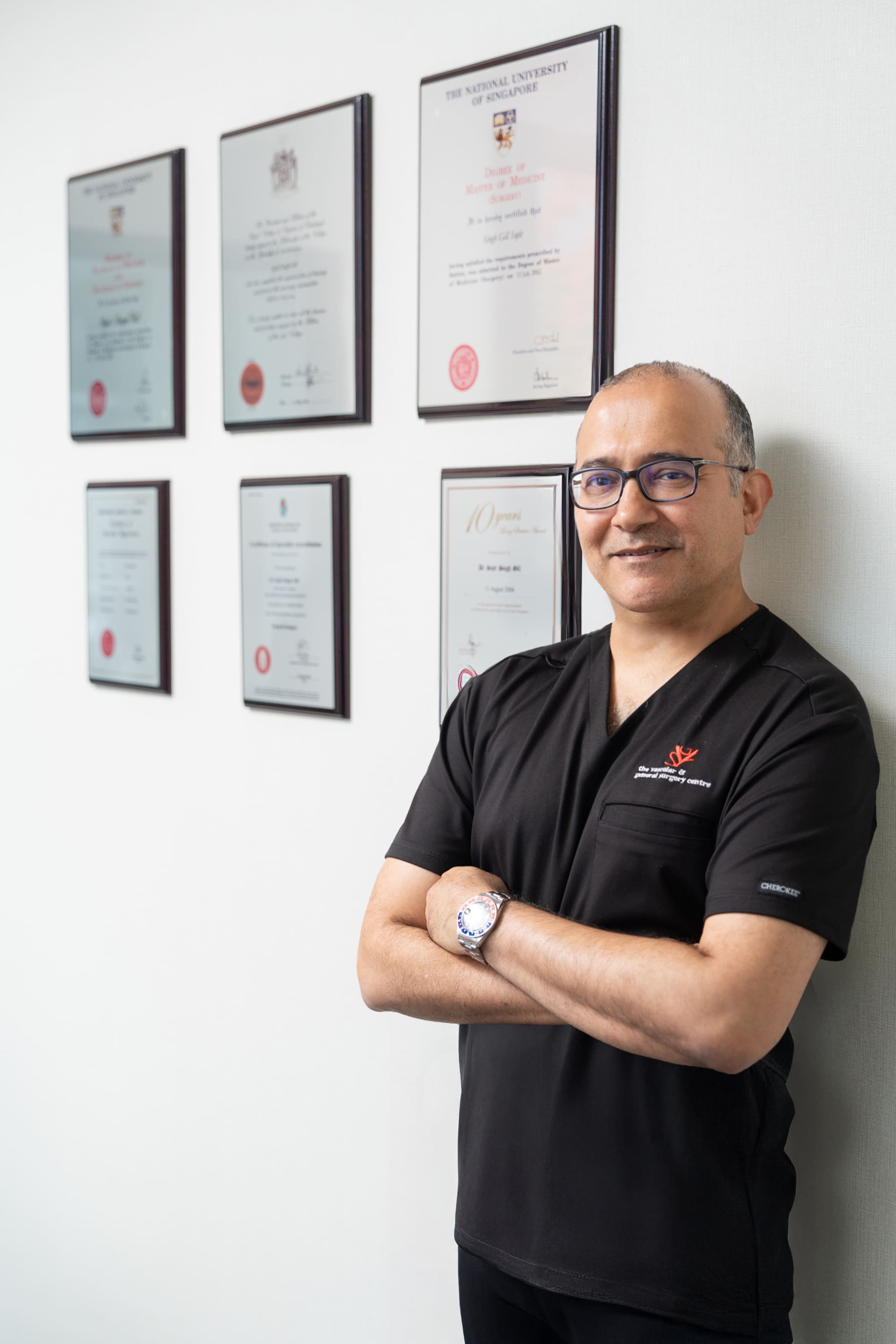
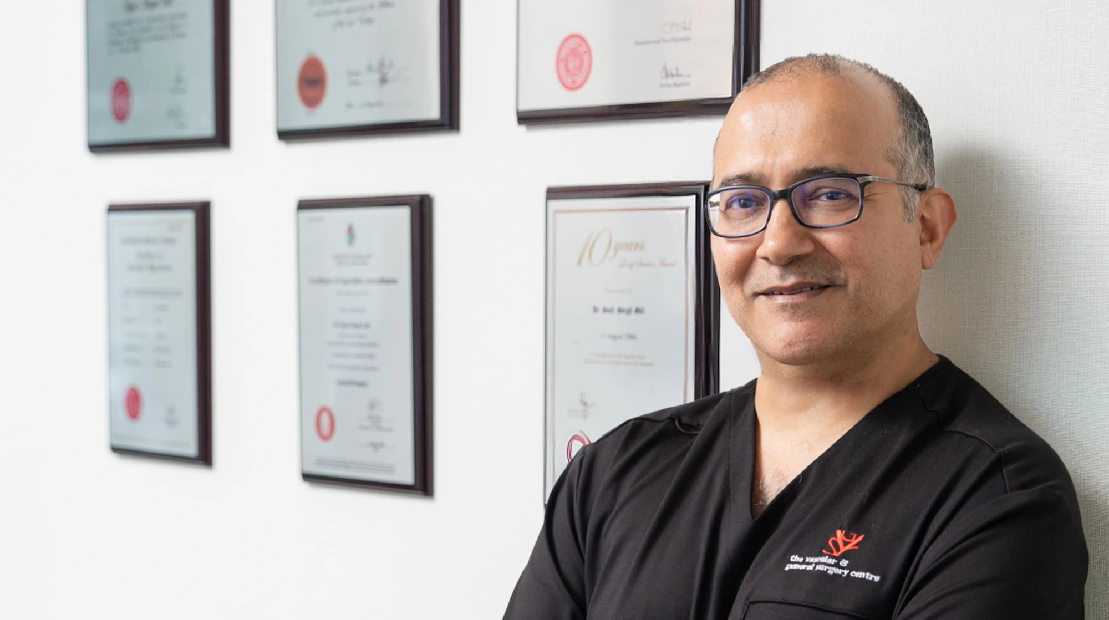
The Vascular & General Surgery Centre offers specialised care for venous conditions, including varicose veins and early-stage venous disease, using advanced minimally invasive techniques designed for effective treatment and faster recovery. The clinic is led by Dr Sujit Singh Gill, a consultant surgeon with extensive training and international experience, who is committed to evidence-based care and patient education to help individuals make informed decisions about their treatment. If you are experiencing symptoms or have concerns about your vein health, contact us today to arrange a consultation and learn more about your treatment options.
FAQs About Venous Disease
What is the difference between spider veins and varicose veins?
Spider veins are small, thin veins that appear close to the surface of the skin and often look like red or blue webs. Varicose veins are larger, swollen and may bulge above the skin. While both are forms of venous disease, varicose veins are more likely to cause discomfort and complications.
Can lifestyle changes reverse early venous disease?
Lifestyle changes can help manage symptoms and slow progression, but they may not fully reverse the condition. Early intervention can, however, significantly improve outcomes.
Is it normal for only one leg to have symptoms of venous disease?
Yes, venous disease can affect one leg more than the other. However, any persistent or unusual symptoms, even if only on one side, should be evaluated.
How quickly does venous disease progress?
It varies from person to person. Some people experience slow progression over years, while others may notice symptoms worsening more quickly, especially if risk factors are present.