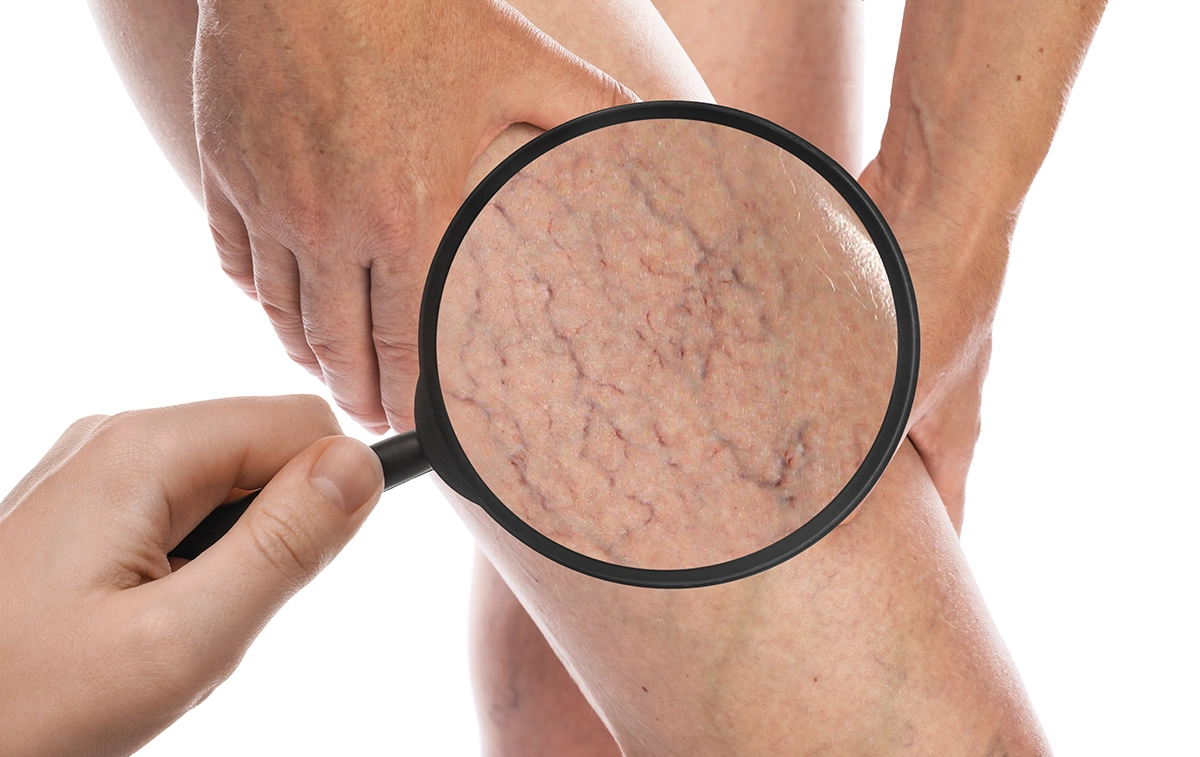

If you have been advised to have a duplex ultrasound scan for varicose veins, you may wonder why looking at your legs is not enough. The visible veins are only part of the picture. A scan helps your specialist understand the veins beneath the skin and how blood moves through them.
A leg vein duplex scan is a non-invasive ultrasound examination. It combines pictures of the veins with measurements of blood flow. For varicose veins, it helps identify faulty valves and map the veins involved, so treatment discussions are based on more than appearance alone.
Key Takeaways
- Duplex ultrasound assesses more than visible veins: It examines blood flow, valve function and underlying venous reflux to identify affected veins.
- The scan helps guide treatment decisions: Findings help determine which veins are involved and whether treatment may be appropriate based on your symptoms and condition.
- Minimal preparation is needed: You can generally eat, drink and take prescribed medications as usual, unless advised otherwise.
- The examination is non-invasive: It uses ultrasound gel and a handheld probe, with patients usually standing for part of the assessment to evaluate blood flow.
- Results are considered alongside your symptoms: Your specialist will interpret the findings together with your medical history and clinical examination to discuss suitable next steps.
What Does a Duplex Ultrasound Show?
Healthy leg veins carry blood back towards the heart. One-way valves help prevent blood from flowing backwards. When these valves do not function properly, blood may flow in the wrong direction, a condition known as venous reflux.
A duplex ultrasound can identify where reflux occurs and help trace its source. Your specialist may assess both the superficial veins near the skin and the deeper veins within the leg. The examination can also identify signs of obstruction or previous vein damage where relevant.
You may hear terms such as Doppler ultrasound or venous reflux scan. Doppler refers to the part of the examination that measures blood movement. However, a scan for varicose veins differs from an urgent ultrasound performed to investigate a suspected blood clot, as the two examinations have different purposes and assessment protocols.
Why Is a Duplex Ultrasound Important Before Varicose Vein Treatment?
Two people with similar-looking varicose veins may have different patterns of venous reflux. A prominent surface vein does not necessarily reveal where the underlying problem begins.
According to the National Institute for Health and Care Excellence (NICE) guidelines, duplex ultrasound is recommended to confirm varicose veins, determine the extent of reflux in the main superficial veins and guide treatment planning.
The results help your specialist identify which veins are affected and assess whether a proposed treatment addresses the underlying problem.
Importantly, undergoing a scan does not mean you must proceed with treatment. The findings are considered alongside your symptoms, physical examination, medical history and personal preferences when discussing suitable management options.
How to Prepare for Your Duplex Ultrasound Appointment
A routine leg vein ultrasound generally requires little preparation. You do not need to fast, although you should follow any specific instructions provided by your clinic. You should also continue taking prescribed medications unless your treating team advises otherwise.
To prepare for your appointment:
- Wear comfortable clothing: Choose clothing that can be removed or adjusted easily, as the examiner may need access from your groin to your lower leg.
- Inform the clinic about mobility difficulties: Let the team know if you have difficulty standing, require assistance moving or have painful skin or dressings.
- Bring relevant medical records: Previous ultrasound reports or details of earlier vein treatments may help your specialist understand your medical history.
- Take note of your symptoms: Consider when you experience leg pain, swelling, heaviness or other symptoms, and whether they worsen after prolonged standing.
You may also ask the clinic about privacy arrangements or the availability of a chaperone before your examination.
What Happens During a Duplex Ultrasound Scan?
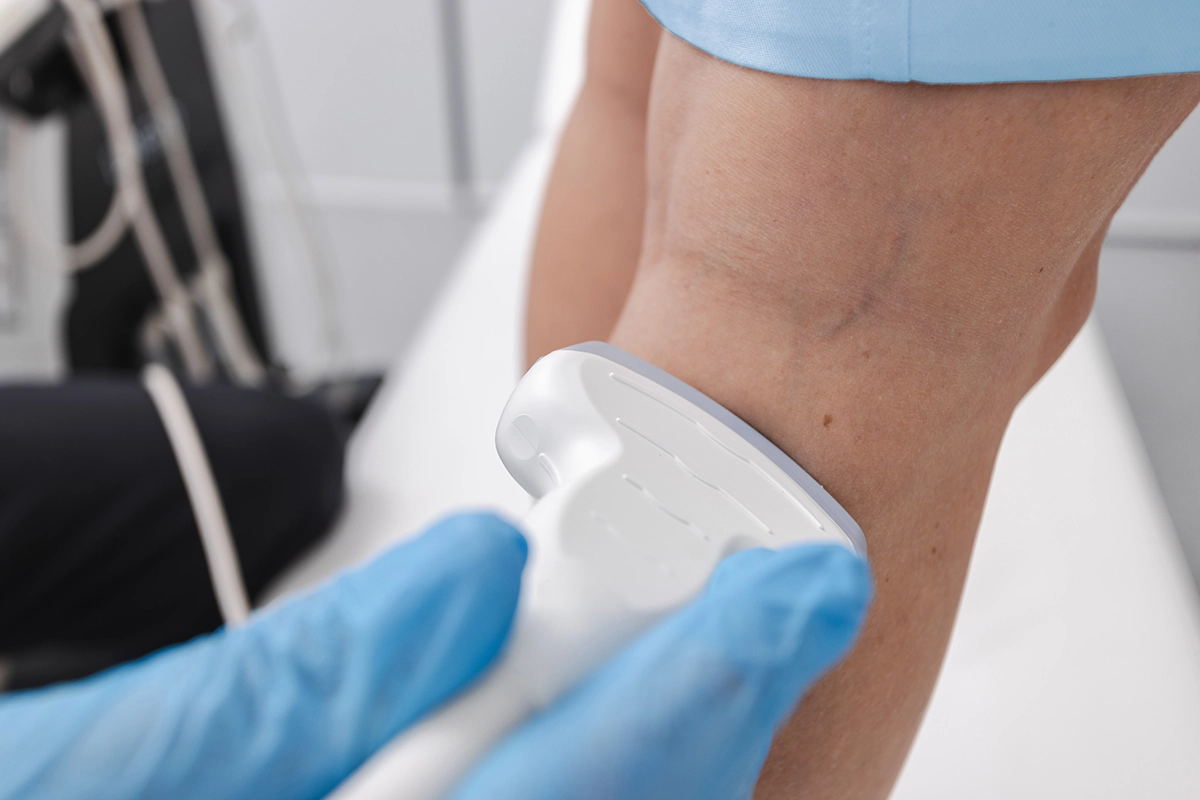
A duplex ultrasound uses sound waves to produce images of the veins and assess blood flow. The examination does not involve injections, X-rays or surgical incisions.
Applying the Ultrasound Gel and Probe
The examiner applies gel to your skin and moves a small handheld probe over different areas of your leg. The probe sends and receives sound waves to produce images of the veins.
You may also hear sounds from the ultrasound machine as blood flow is assessed.
Assessing Your Veins While Standing
For venous reflux assessment, you will usually be asked to stand for part of the examination. This allows the examiner to assess blood flow and valve function under the influence of gravity.
If standing is difficult or unsafe, alternative positions, such as sitting or lying on a tilted examination couch, may be used.
Checking Blood Flow and Valve Function
The examiner may gently squeeze your calf or ask you to perform a brief breathing or straining manoeuvre. These actions temporarily change blood flow, helping the examiner determine whether the vein valves are functioning properly.
Several veins may be assessed at different levels of the leg to identify the location and extent of reflux.
The examination generally follows established duplex ultrasound assessment protocols for varicose veins, although the exact technique may vary depending on your condition.
Completing the Examination
Most people tolerate the examination well, although pressure from the probe over a tender area may cause temporary discomfort.
Inform the examiner if you experience pain, dizziness or unsteadiness during the scan. The duration of your appointment depends on the extent of the examination and whether one or both legs require assessment.
What Do Your Duplex Ultrasound Results Mean?
Your ultrasound report may identify specific veins, describe areas of reflux and include measurements of vein diameter or blood flow.
However, these findings should not be interpreted in isolation. Your specialist will consider whether the abnormalities identified on the scan correspond with your symptoms and clinical examination.
You may wish to ask the following questions when discussing your results:
- Which veins are affected?
- Do the findings explain my symptoms?
- Is further assessment needed?
- What options are reasonable for me, and what are their benefits and limitations?
It is also important to recognise that a duplex ultrasound may not identify every possible cause of leg pain or swelling. Some veins may be difficult to assess because of their depth or other factors affecting image quality.
If the results do not adequately explain your symptoms, your specialist may recommend further investigations.
What Happens After Your Duplex Ultrasound Appointment?
You can generally return to your normal activities immediately after the scan. The examination itself does not usually require recovery time, although any restrictions associated with another procedure or an underlying medical condition should be followed separately.
Depending on the clinic's arrangements, your results may be discussed during the same appointment or at a subsequent consultation. You will be informed about when to expect your results and whether any follow-up appointment is required.
Guiding Varicose Vein Care at The Vascular & General Surgery Centre
A duplex ultrasound provides important information about the underlying causes of varicose veins, but the findings are only one part of deciding whether treatment is necessary. What matters is how these results relate to a patient's symptoms, vein health and individual circumstances.
At The Vascular & General Surgery Centre, we consider duplex ultrasound findings alongside a patient's medical history and clinical examination when assessing varicose veins. By identifying the affected veins and patterns of blood flow, we can better determine whether treatment is appropriate and discuss the available options based on each patient's condition and needs.
If you are experiencing symptoms of varicose veins or have been advised to undergo a duplex ultrasound, schedule a consultation with Dr Sujit Singh Gill for an individual assessment.
FAQs About Duplex Ultrasound for Varicose Veins
How long does a duplex ultrasound for varicose veins take?
A duplex ultrasound for varicose veins typically takes around 30–60 minutes, depending on the number of veins being assessed and whether one or both legs require examination. More complex cases, such as those involving previous vein treatments, may require additional time.
Is a duplex ultrasound for varicose veins painful?
A duplex ultrasound is generally painless, although you may experience mild discomfort when the examiner presses the probe against tender areas or gently squeezes your calf to assess blood flow. The examination does not involve needles or incisions. Inform the examiner if you experience pain or discomfort.
Do I need a duplex ultrasound if my varicose veins are already visible?
Visible varicose veins do not always reveal which underlying veins are affected or whether their valves are functioning properly. A duplex ultrasound can help identify the source and extent of venous reflux, particularly when treatment is being considered. Your specialist will determine whether the examination is necessary based on your symptoms and clinical findings.
Will I receive my duplex ultrasound results immediately?
The examiner may be able to identify certain findings during the scan, but the timing of your results depends on the clinic's reporting process. Your specialist will review the findings alongside your symptoms and medical history before explaining their significance and discussing whether further assessment or treatment is necessary.
References
- NICE CG168. Varicose veins diagnosis and management, recommendation 1.3.1.
- SVS/AVF/AVLS 2023 clinical practice guidelines. Part II, sections 1.2–1.5.
- RadiologyInfo (ACR/RSNA). Venous Ultrasound, reviewed July 2026.
- Cambridge University Hospitals. Ultrasound scan of your leg veins, approved November 2025.
- Portsmouth Hospitals. Vascular Assessment Unit patient information.
- University Hospitals Dorset. Duplex Doppler for venous insufficiency, March 2022 leaflet (older corroborating source).
- NHS inform. Ultrasound scan.