
A colonoscopy is a common medical procedure that allows a doctor to examine the inside of the
large intestine using a flexible camera. It is commonly used for colorectal cancer screening and
to investigate symptoms such as persistent abdominal pain, changes in bowel habits or rectal
bleeding.
However, many patients end up feeling anxious about this procedure. They may regard it as
invasive or feel unwilling to undergo sedation or bowel preparation. In these cases, patients
may occasionally pursue alternative methods of abdominal screening instead.
How Effective Are Alternative Screening Methods?
Several tests are sometimes discussed as alternatives to colonoscopy. In many cases, they are used as preliminary screening tools rather than complete substitutes, and a specialist may still recommend a colonoscopy if there are unusual findings.
There are several reasons why patients may seek these alternatives in the first place. Common concerns include:
- Fear of pain or discomfort during the procedure
- Anxiety about sedation
- Inconvenience of bowel preparation
- Time away from work or daily responsibilities
These options may help detect certain abnormalities in the digestive tract, but it is important to understand that they differ in accuracy, scope and diagnostic capability.
Non-invasive Alternatives to Colonoscopy in Singapore
Non-invasive tests assess colon health without inserting instruments into the bowel. They are mainly used for colorectal cancer screening in individuals without symptoms and with an average risk profile.
Faecal Immunochemical Test (FIT)
The faecal immunochemical test, or FIT, is one of the most commonly used colorectal screening tests in Singapore. It
is a stool-based test that detects hidden blood in the faeces, which can be an early sign of colorectal cancer or
large polyps.
FIT uses antibodies that bind specifically to human haemoglobin. A small stool sample is collected at home using a
test kit and sent to a laboratory for analysis, with results usually available within a few days.
FIT is reasonably effective at detecting colorectal cancers, especially those that are bleeding. However, it is less
sensitive for small polyps or non-bleeding lesions, and a normal result does not completely rule out a colorectal
disease.
Stool DNA Test
The stool DNA test is a more advanced stool-based screening option that checks for both hidden blood and genetic changes linked to colorectal cancer and certain high-risk polyps. It works by analysing DNA fragments shed by abnormal cells in the colon, which may contain mutations associated with cancer development. The test also includes a component that detects occult blood.
However, stool DNA testing has a higher false positive rate than FIT. This means some individuals may receive an abnormal result even when no significant problem is present. As with FIT, any positive result still requires a follow-up colonoscopy for confirmation.
Imaging-Based and Endoscopic Alternatives
In some cases, imaging-based or endoscopic tests may be used when colonoscopy is not suitable. These options can help detect abnormalities, but do not allow for biopsy or polyp removal, and follow-up colonoscopy may still be required.
CT Colonography
CT colonography, sometimes called virtual colonoscopy, uses computed tomography scans to create detailed images of
the colon and rectum. During the procedure, a small tube is inserted into the rectum to gently inflate the colon
with air or carbon dioxide. A CT scanner then takes multiple images, which are reconstructed into a
three-dimensional view.
CT colonography is less invasive than traditional colonoscopy and does not require sedation. The procedure itself
usually takes about 15–20 minutes, and patients can resume normal activities shortly afterwards.
However, CT colonography has limitations. It involves exposure to a small amount of radiation and does not allow for
biopsy or polyp removal. If abnormalities are detected, a conventional colonoscopy is still needed for further
assessment and treatment.
Flexible Sigmoidoscopy
Flexible sigmoidoscopy uses a short flexible tube with a camera to examine the rectum and the lower part of the
colon, known as the sigmoid colon. It does not require full bowel preparation and is usually performed without
sedation, making it quicker and generally more comfortable than a full colonoscopy.
The procedure can detect abnormalities in the lower colon, where many colorectal cancers occur. However, it does not
assess the upper sections of the colon, so lesions beyond its reach may be missed. In some screening programmes,
flexible sigmoidoscopy is combined with stool tests to increase detection rates.
When Should a Colonoscopy Still Be Considered?
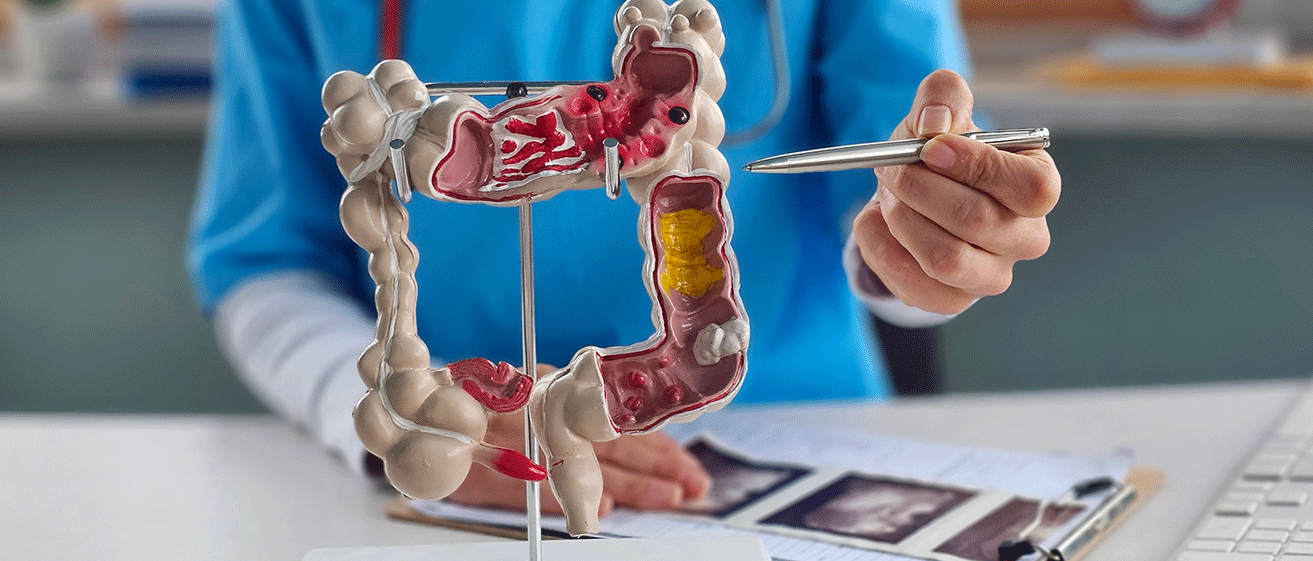
Even when alternative tests are available, colonoscopies are still the most efficient and comprehensive method of
colorectal screening. Unlike other tests, colonoscopy allows doctors to directly visualise the entire colon, while
also being able to remove polyps and obtain tissue samples in the same procedure. Its use as both a diagnostic and
therapeutic tool makes it the standard procedure for colorectal cancer detection and prevention.
In cases where alternative screening tests return abnormal results, or when a patient is experiencing severe
symptoms such as rectal bleeding, persistent pain or major changes in bowel habits, a doctor may strongly recommend
a colonoscopy in order to carry out a full diagnosis.
Choosing the Right Colon Screening Option in Singapore
A consultation with a specialist can help determine the most suitable option and ensure that potential conditions
are not missed. Patients who are unsure about which screening method is most appropriate should discuss their
medical history, symptoms and risk factors with a doctor. A personalised screening plan can then be recommended
based on individual needs.
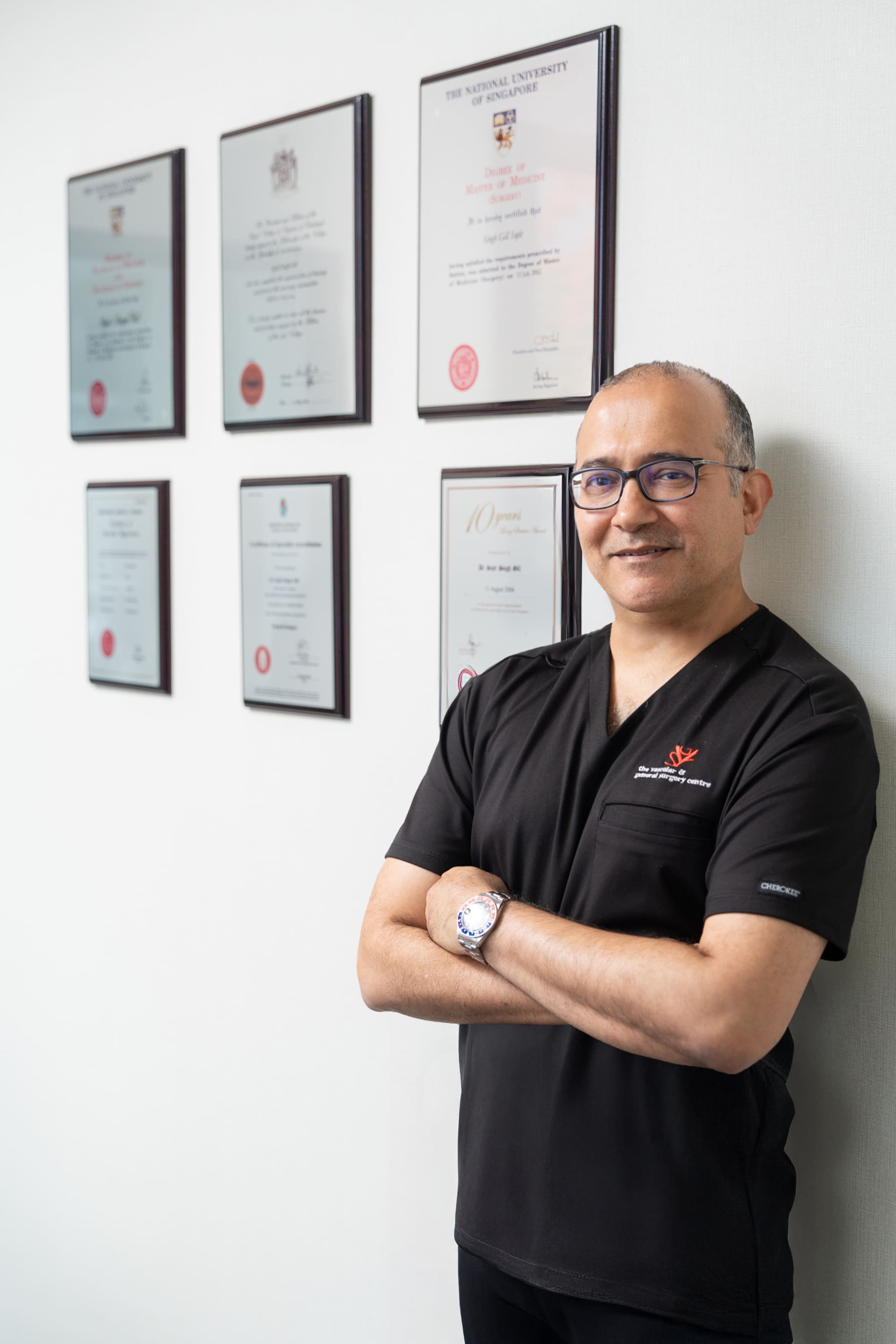
At the Vascular & General Surgery Centre, our team
provides colonoscopy evaluation and screening for individuals with digestive symptoms or risk factors related to
colorectal conditions. Our clinic is led by Dr
Sujit Singh Gill, who emphasises thorough assessment, clear communication and evidence-based care to help
patients understand their diagnosis and the appropriate next steps for treatment or monitoring.
Contact us today to find out more or book
an appointment.