
Many people wonder whether varicose vein treatment offers a permanent solution or if varicose veins can return over time. While treated veins usually do not become varicose again, new varicose veins can still develop in other areas of the legs. This happens because varicose veins are often linked to chronic venous disease, a progressive condition that can continue to affect other veins even after treatment.
Whether new varicose veins develop depends on a combination of underlying vein health and ongoing risk factors. Understanding why recurrence happens can help you know what to expect after treatment and the steps that may help support your long-term vein health. Regular follow-up with a varicose vein specialist can also detect early changes if new vein problems develop.
Key Takeaways
- Successfully treated varicose veins usually do not become varicose again, but new varicose veins can develop in other veins over time.
- Chronic venous disease is progressive, so factors such as genetics, ageing, pregnancy, and lifestyle can contribute to recurrence.
- Healthy habits, including regular exercise, maintaining a healthy weight, and avoiding prolonged sitting or standing, can help reduce the risk of new varicose veins.
- Regular follow-up appointments with a varicose vein specialist can detect new vein problems early and help preserve the results of your varicose vein treatment.
Why Do Varicose Veins Come Back?
Although treated varicose veins are unlikely to reappear, it is possible for new varicose veins to develop after treatment. This is because varicose veins are often a symptom of chronic venous disease, a progressive condition that can affect different veins over time.
Several factors influence whether new varicose veins develop over time, including genetics, lifestyle, pregnancy and the natural progression of vein disease. Understanding these factors can help you make informed choices to support long-term vein health and reduce the likelihood of future complications.
New Varicose Veins Can Develop Over Time
Modern varicose vein treatment targets veins that are already damaged or not functioning properly. Once these veins have been successfully treated, they typically do not become varicose again. However, other healthy veins can weaken over time and develop into new varicose veins, as chronic venous disease continues to affect other veins.
Lifestyle Habits Can Contribute to Recurrence
Lifestyle factors cannot cause chronic venous disease on their own, but they can increase pressure within the leg veins and influence how quickly the condition progresses.
Incomplete Treatment or Progression of Vein Disease
In some cases, recurrence may occur if additional abnormal veins were not yet apparent or detectable during the initial assessment. Chronic venous disease can also progress over time, affecting veins that were previously healthy.
Pregnancy and Hormonal Changes Can Affect Vein Health
Pregnancy increases blood volume and places extra pressure on the veins in the pelvis and legs, making varicose veins more likely to develop. Hormonal changes can also relax vein walls, reducing their ability to move blood efficiently. Although pregnancy-related varicose veins may improve after childbirth, some women develop new vein problems with later pregnancies or as chronic venous disease progresses.
Who Is More Likely to Experience Recurring Varicose Veins?
While anyone can develop new varicose veins after treatment, some people have a higher risk due to factors they cannot control or lifestyle habits that place extra strain on their veins. Knowing your risk factors also helps set realistic expectations after treatment, as some people are naturally more prone to developing new varicose veins over time.
People With a Family History of Varicose Veins
Genetics play a key role in vein health. If your parents have varicose veins, you are more likely to develop them, even after treatment, because inherited differences in vein walls and valves make veins more susceptible to becoming enlarged over time.
Older Adults
As you age, vein valves can weaken, making it harder for blood to flow properly. Blood is then more likely to pool within the veins, increasing the likelihood of new varicose veins developing
People With Jobs That Require Prolonged Sitting or Standing
Jobs that involve long periods of sitting or standing can reduce blood circulation in the legs. Reduced calf muscle activity allows blood to pool more easily in the legs, increasing pressure within the veins.
Women During and After Pregnancy
Pregnancy places additional demands on the venous system. Women who have had multiple pregnancies may have a greater likelihood of developing new varicose veins over time, even after previous treatment.
People Who Are Overweight or Physically Inactive
Excess weight puts added pressure on leg veins, while lack of movement reduces blood flow.

What Can You Do to Reduce the Risk of Varicose Veins Returning?
Although there is no guaranteed way to prevent new varicose veins from developing, healthy habits can reduce unnecessary strain on your veins. Regular follow-up also allows new vein problems to be identified before symptoms become more severe.
Stay Physically Active to Improve Circulation
Activities that engage the calf muscles, such as walking, cycling and swimming, help pump blood back towards the heart and reduce pressure within the leg veins.
Maintain a Healthy Weight
Excess body weight places additional strain on the veins in your legs. Maintaining a healthy weight through a balanced diet and regular physical activity can help reduce this pressure and support healthy blood flow.
Avoid Sitting or Standing for Long Periods
If your work requires prolonged sitting or standing, take short breaks to move around, stretch, or flex your calf muscles every 30 to 60 minutes. Brief movement breaks every 30 to 60 minutes encourage blood flow and reduce prolonged pressure within the leg veins.
Wear Compression Stockings if Recommended
Compression stockings gently support your leg veins and support venous circulation. Your varicose vein specialist may recommend wearing them after treatment or if you have ongoing symptoms or risk factors for chronic venous disease.
Attend Regular Follow-Up Appointments
Follow-up appointments allow your specialist to monitor changes in your vein health over time. If new abnormal veins develop, they can often be identified and managed before symptoms become more significant.
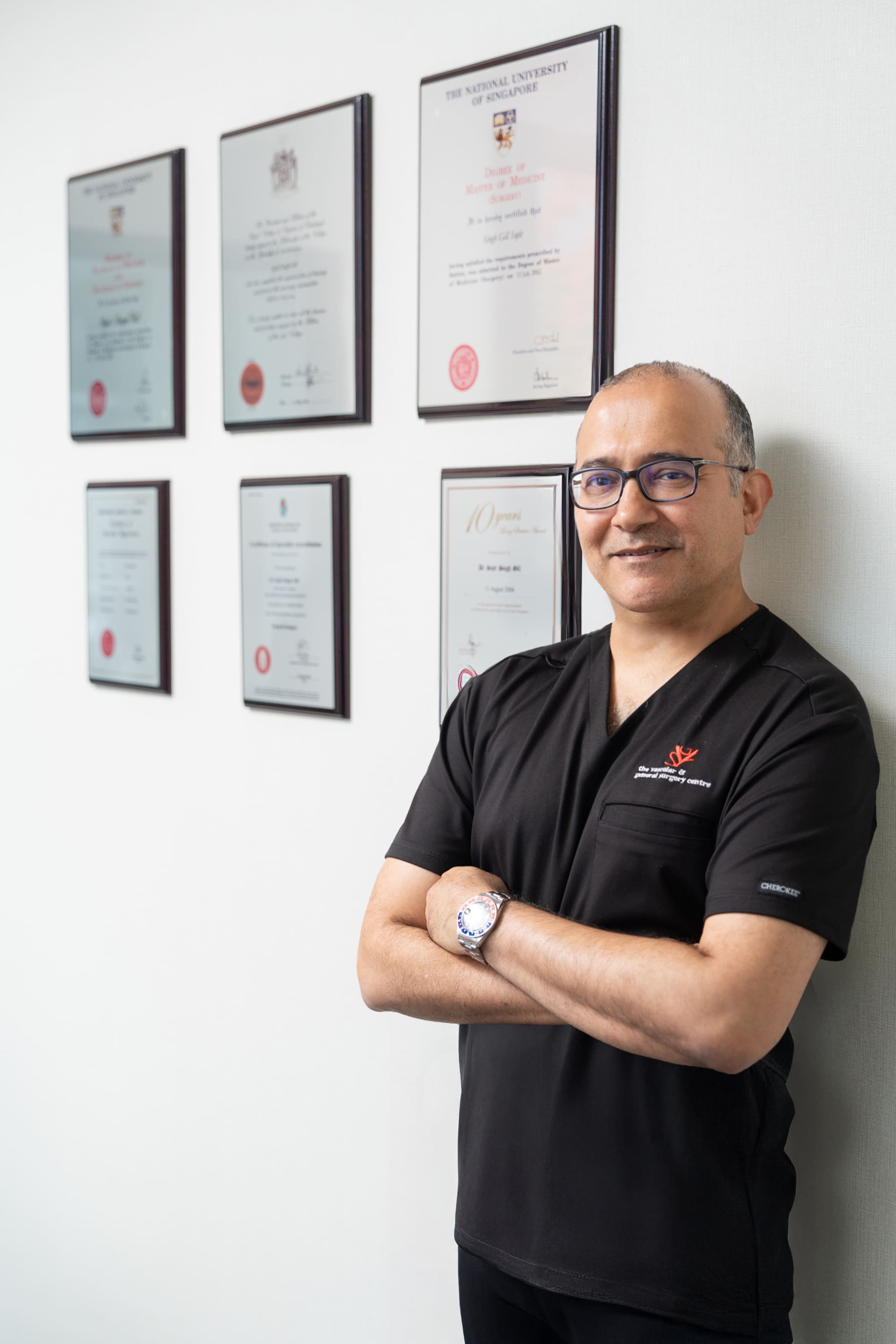
Preventing Varicose Veins from Coming Back with Dr Sujit Singh Gill
While no treatment can prevent chronic venous disease from progressing entirely, successful treatment removes the veins causing your current symptoms. If new varicose veins develop later, they are usually the result of changes in different veins rather than failure of the original treatment.
At the Vascular & General Surgery Centre, we provide comprehensive assessment and long-term management of varicose veins to help patients manage both existing varicose veins and their long-term vein health. Led by Dr Sujit Singh Gill, our vascular clinic in Singapore uses clinical assessment and duplex ultrasound imaging to evaluate the underlying vein system and recommend the most appropriate treatment, whether that involves minimally invasive procedures or varicose vein surgery.
If you notice new symptoms after treatment, such as bulging veins, leg heaviness, swelling, aching, or skin changes, early assessment can help prevent further progression. Arrange a consultation to assess your vein health, discuss whether further treatment is needed and receive practical advice on maintaining long-term vein health.
Frequently Asked Questions (FAQs) About Varicose Veins Recurrence
Will I need ongoing monitoring after varicose vein treatment?
Periodic follow-up may be recommended, particularly if you have chronic venous disease or multiple risk factors for developing new varicose veins. Your specialist may use duplex ultrasound to assess your vein health and determine whether any new vein changes require treatment.
Will I need another varicose vein treatment if new veins develop?
Not necessarily. Treatment depends on whether the new veins are causing symptoms, the extent of the underlying vein disease and your ultrasound findings. Your specialist will recommend whether monitoring, minimally invasive treatment or surgery is the most appropriate option.
Can lifestyle changes stop varicose veins from coming back?
Healthy habits such as regular exercise, maintaining a healthy weight and avoiding prolonged sitting or standing can support good circulation and reduce unnecessary strain on your veins. However, they cannot completely prevent chronic venous disease from progressing or guarantee that new varicose veins will not develop.
Are both legs equally likely to develop new varicose veins?
Not necessarily. One leg may be more affected than the other depending on your underlying vein anatomy and how chronic venous disease progresses. Duplex ultrasound allows each leg to be assessed individually to determine whether further monitoring or treatment is needed.
How soon should I see a specialist if I notice new varicose veins?
You should arrange an assessment if you develop new bulging veins, leg heaviness, swelling, aching or skin changes after treatment. Early evaluation can determine whether these symptoms are related to new vein disease and whether treatment is required.