
Poor circulation can often be mistaken for symptoms like leg pain, numbness or fatigue that comes with age. There is a significant overlap between discomfort caused by underlying vascular conditions and the physical changes commonly associated with getting older, which can make circulation problems easy to overlook in older adults.
However, certain symptoms may serve as early warning signs of problems that could gradually affect mobility, comfort and overall quality of life. Understanding these symptoms and knowing when to seek specialist advice can help address these issues early.
Why Do Circulation Problems Resemble Normal Ageing?
Circulation problems can resemble normal ageing because reduced blood flow affects the same parts of the body that naturally weaken with age. In particular, the muscles, nerves and skin in the legs and feet are susceptible to these conditions. When blood circulation becomes impaired, these tissues receive less oxygen and fewer nutrients, which can lead to symptoms such as fatigue, leg weakness, cramping, numbness and slower movement.
At the same time, ageing itself is associated with reduced muscle mass, lower physical endurance and decreased mobility. Older adults may therefore assume symptoms such as aching legs during walking or persistent cold feet are simply part of getting older rather than signs of an underlying vascular condition.
What Are the Early Signs of Poor Circulation in Older Adults?
Some of the most common early signs and symptoms of poor circulation are:
- Leg pain or cramps during walking that improve with rest
- Tingling or numb sensations in the feet or toes
- Having cold feet or lower legs even in warm environments
- Swelling in the ankles or calves
- Heaviness or unusual fatigue in the legs
- Skin discolouration or pale-looking skin
- Slow-healing cuts, sores or wounds on the feet or legs
In some cases, symptoms develop gradually and may only become noticeable during physical activity.
When Should You Seek Medical Help for Circulation Problems?
Symptoms should be checked by a vascular specialist when they:
- Persist over time or gradually worsen
- Begin affecting walking, movement or daily activities
- Develop suddenly or become significantly more severe
Symptoms that worsen gradually over time may suggest that blood flow is becoming increasingly restricted. For example, leg pain that initially appears only during long walks may begin occurring after shorter distances or during everyday activities. Similarly, mild numbness, swelling or coldness in the feet may become more persistent as circulation problems progress.
In some cases, worsening circulation may also lead to visible physical changes. The skin on the legs or feet may become pale, discoloured or slower to heal after minor cuts or injuries. Reduced blood supply over a prolonged period can affect the muscles, nerves and skin tissues, increasing discomfort and limiting mobility.
Early assessment is important because untreated circulation problems may gradually increase the risk of complications, including reduced mobility, chronic wounds and more serious vascular disease. Identifying circulation issues early may help prevent symptoms from progressing further and allow appropriate treatment to begin sooner.
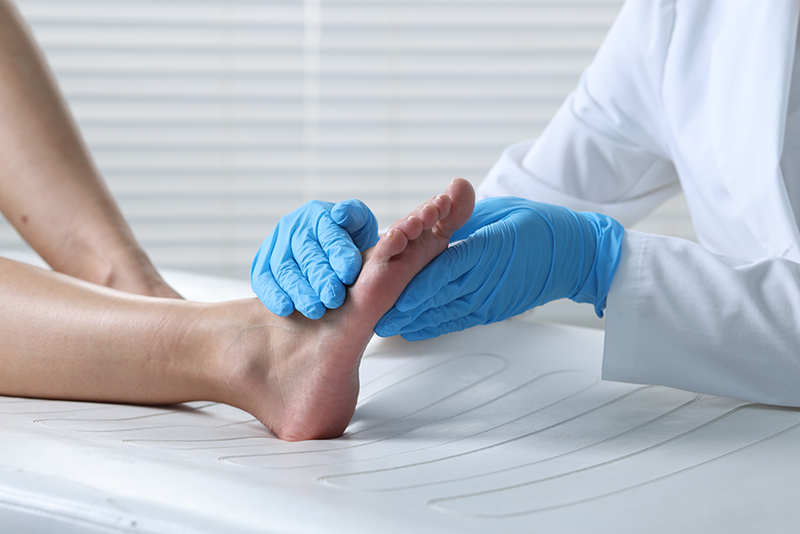
Structured Assessments for Circulatory and Vascular Problems
Uncomfortable symptoms should not always be dismissed as a routine part of ageing. When these issues are identified early and timely treatment is administered, vascular specialists may be able to help patients improve their comfort, mobility and overall quality of life while reducing the risk of further complications.
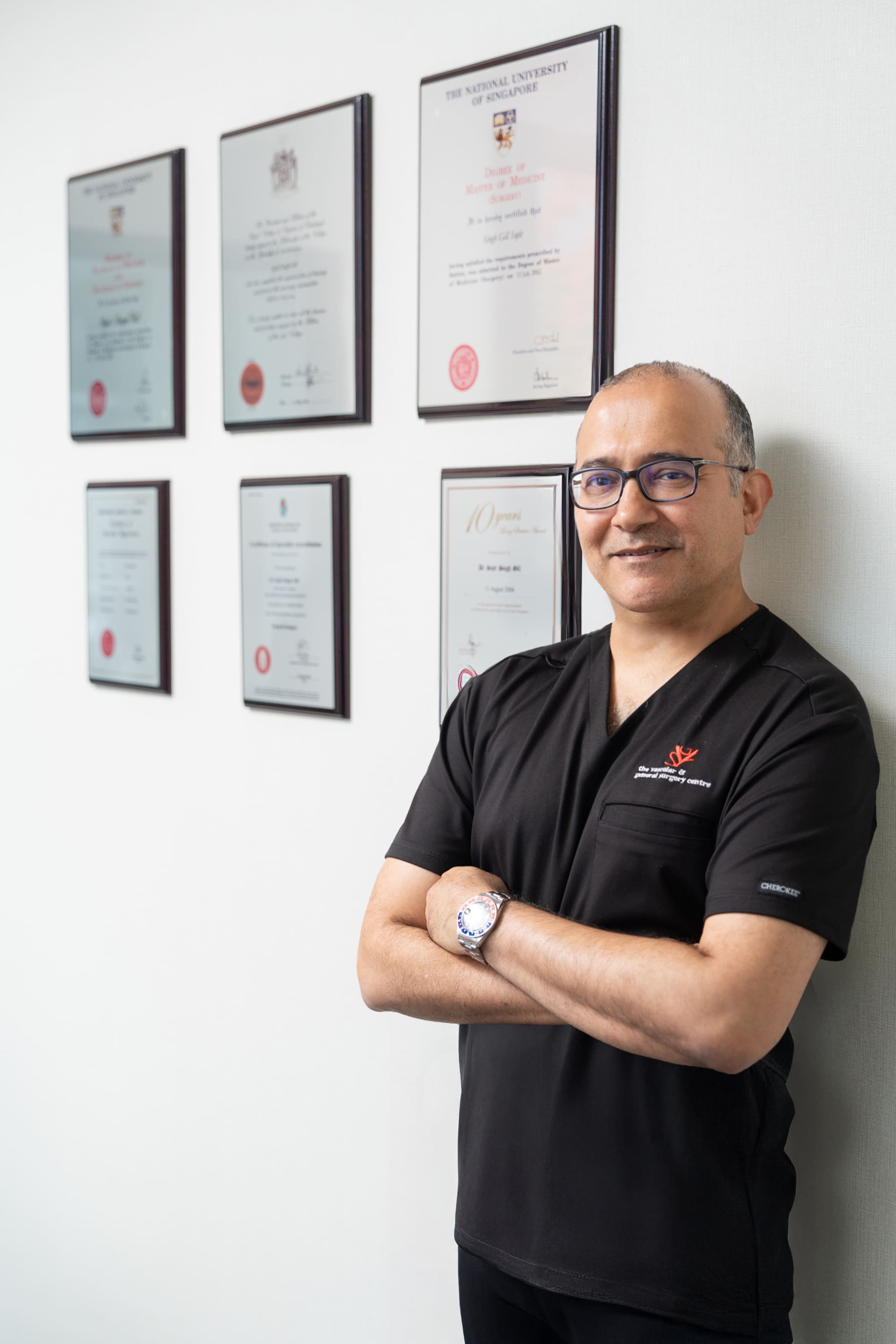
At the Vascular & General Surgery Centre, our specialist vein clinic in Singapore, we provide assessment and treatment for a range of circulatory and vascular conditions, including vein-related disorders affecting the legs and feet. Led by Consultant Vascular & General Surgeon Dr Sujit Singh Gill, our clinic provides personalised care based on each patient's symptoms, circulation concerns and overall vascular health.
If you are experiencing unusual symptoms, contact us today so we can better understand the cause of your condition and explore suitable treatment options.
Frequently Asked Questions (FAQs) About Poor Circulation
Can poor circulation cause leg pain even without exercise or strain?
Yes, poor circulation can sometimes cause discomfort even while resting, particularly when blood flow becomes more severely restricted. Some patients may experience aching, numbness, cramping or cold sensations in the legs and feet throughout the day or at night. Symptoms that persist without physical activity may warrant medical evaluation to identify whether an underlying vascular condition is affecting circulation.
Are cold feet always a sign of poor circulation?
Cold feet are not always caused by circulation problems, but a persistent coldness may be a sign of reduced or poor blood flow. If cold feet occur alongside numbness, pain, swelling or skin discolouration, further assessment may be recommended.
Can circulation problems become more common with age?
Circulation problems may become more common as people age because blood vessels can gradually lose elasticity or become narrowed over time. Older adults are also more likely to develop health conditions that affect blood flow, such as diabetes, high blood pressure or vascular disease. But while some physical slowing is expected with ageing, persistent symptoms affecting the legs or feet should not automatically be dismissed as a normal part of getting older.
How are circulation problems diagnosed by a vascular specialist?
A vascular specialist typically begins by reviewing the patient's symptoms, medical history and circulation-related risk factors. This is usually followed by a physical examination to assess blood flow, skin condition and pulse strength in the legs or feet. Depending on the symptoms, imaging tests such as ultrasound scans may also be used to evaluate the arteries and veins more closely.